Tyler Pate is an art director, illustrator, and designer known for his bold, expressive style – where clean lines, vivid color, and charismatic characters turn everyday objects into playful visual stories. His work balances creativity with clarity, always rooted in curiosity and storytelling. Through his platform The Creative Pain, he shares not only imaginative artwork but also inspiration and insight for artists navigating creative blocks, reminding us that struggle can be part of the process.
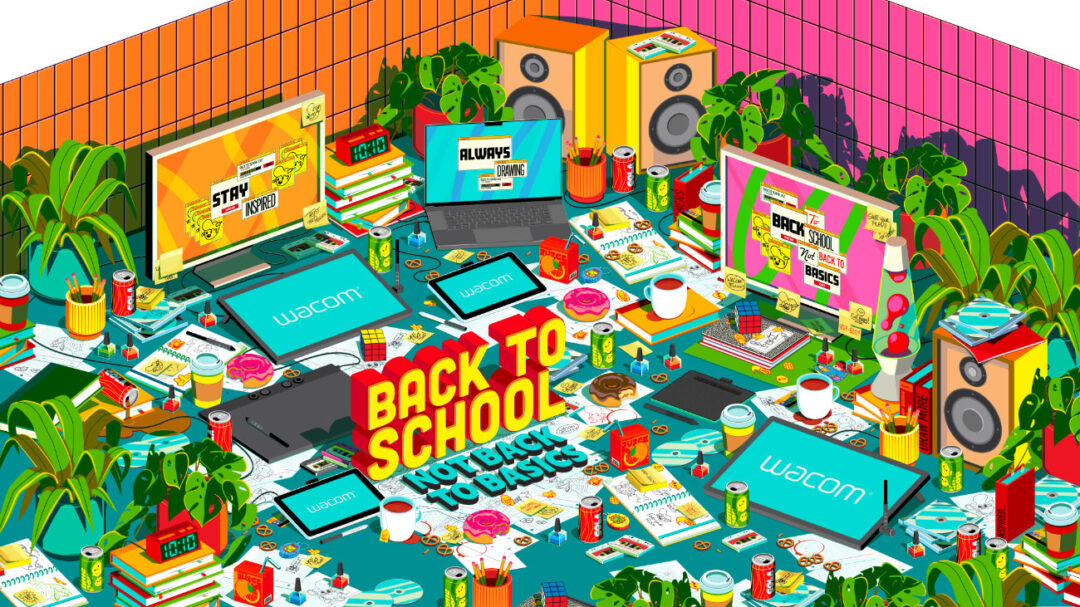
The theme for Wacom’s 2025 Back to School campaign is Back to School, not Back to Basics. Wacom produces a range of products perfect for every artist, from absolute beginners to professional creatives at the top animation, design, illustration, and film studios. Whether you’re a creative youngster or an art school student gearing up for your future creative career, we want to make sure you’ve got the tools to succeed in your education rather than the same old basic school supplies. Tyler created the feature image for the campaign – check it out here.
In this interview, Tyler discusses the creation process of the featured artwork, reflects on his journey, breaks down his puzzle-like approach to creativity, and shares how he’s expanding from digital design into tactile, mixed-media exploration.
When you’re creating, does the process feel more like a natural flow of creativity – or more like solving a visual puzzle?
My process feels more like solving a visual puzzle. Every project presents its own challenges, and the excitement comes from figuring it out while staying inspired. The joy of finding solutions keeps the process fun.
Was there a moment or influence that led you to choose visual communication and graphic design as your creative path?
I’ve always gravitated toward art as a child. It brought me so much joy and allowed me to bring my thoughts to life. But the real turning point was when I picked up skateboarding. I was inspired by an industry filled with graphics, styles, and voices – skateboard decks, T-shirts, stickers – all of it. That’s when I knew I wanted to create visual art in a way that spoke to people. I also owe a lot to my cousin Darby, who is the one who told me about pursuing visual communication in college.
Are there any new creative skills you’re currently exploring or hoping to develop further?
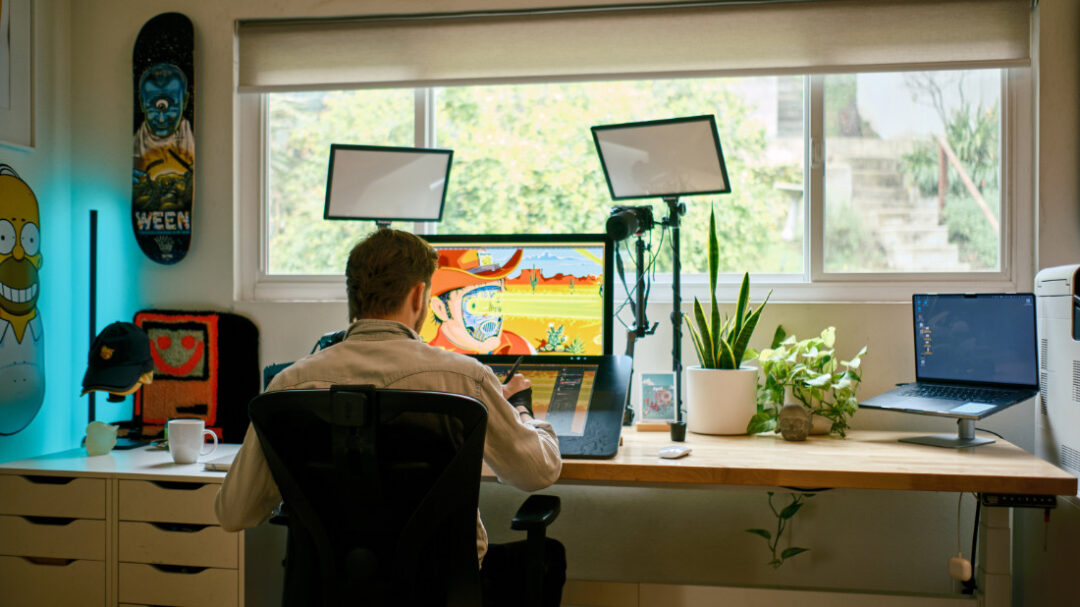
Lately, I’ve been gravitating toward more analog creative outlets. I’m exploring mixed-media techniques, taking my digital artwork into the realm of paintings and collages. I’ve also been experimenting with resin and wood cutouts, creating wall art with a tactile quality that adds a new layer to my creative process.
Do you have a default doodle, something you always end up drawing without thinking? We’d love to see it!
YES! It would have to be my PencilHead character from my Creative Pain brand. I’ve loved watching the evolution of this character since 2016, and it feels like a part of my creative journey. I even managed to hide a few PencilHead characters in my latest Wacom Back to School collab!
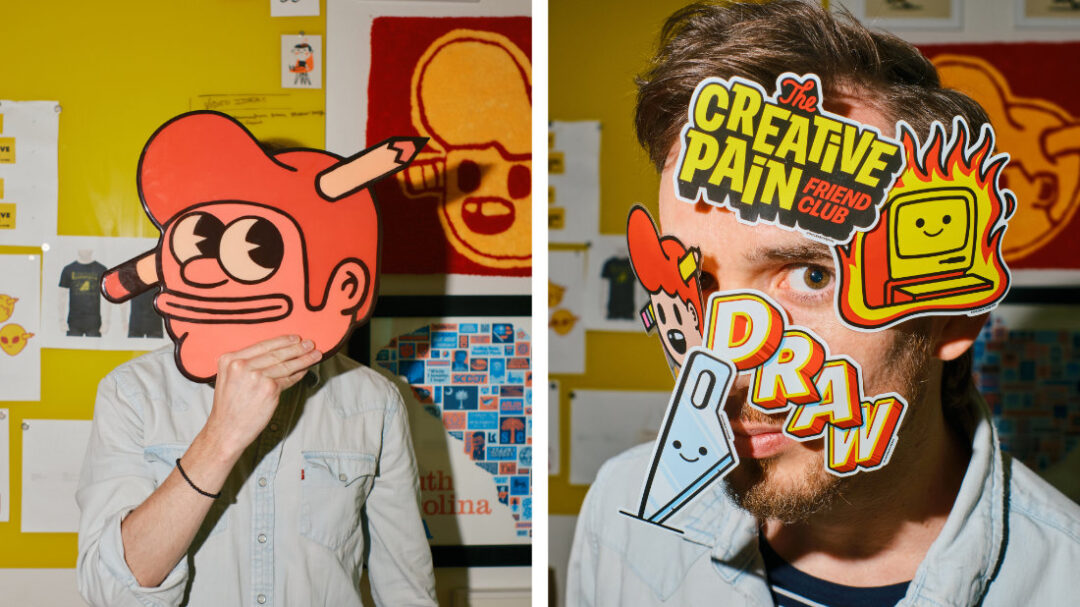
Can you tell us about the Creative Pain, the project and the meaning behind it?
The Creative Pain started as a personal passion project aimed at helping creatives overcome obstacles. It’s about blending industry insights, inspiration, and motivation to guide artists through the challenges they face. Over time, it has evolved into a creative studio and community focused on turning creative struggles into fuel for growth. It’s shaped my journey, led to collaborations, public speaking, and a stronger connection with the creative community.
What makes a creative project exciting or meaningful enough for you to say yes?
It’s a mix of things, but I’m drawn to projects that come with a set of exciting challenges or ones that tap into illustration styles I love or want to explore. I thrive on projects that push me to break boundaries and create something unexpected.
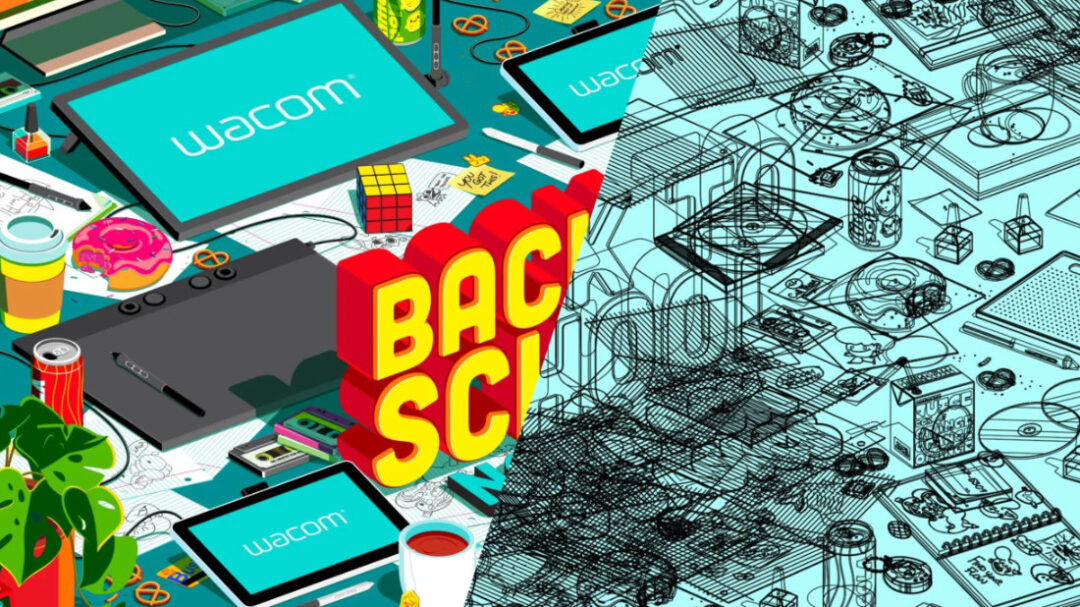
Once you’ve chosen a project, how do you typically begin translating that initial spark into your first sketches or concepts?
I always start with a moodboard. It’s crucial to set the tone and feeling of the concept. I curate inspiration and explore different directions, which helps me understand the vibe I want to bring to life.
Looking back on your own journey, what guidance would you offer to new creatives navigating their first job search?
Always create passion projects or work on something in your spare time. It’s important to constantly develop your craft and stay sharp. Instead of waiting for the dream project to come to you, go out and make it for yourself.
What drew you to vector art, and why has it become your go-to medium?
The scalability of vector art is the key reason it’s my go-to. In the consumer products industry, it’s the best format to deliver, especially when working with products that need to be resized for different applications without losing quality.
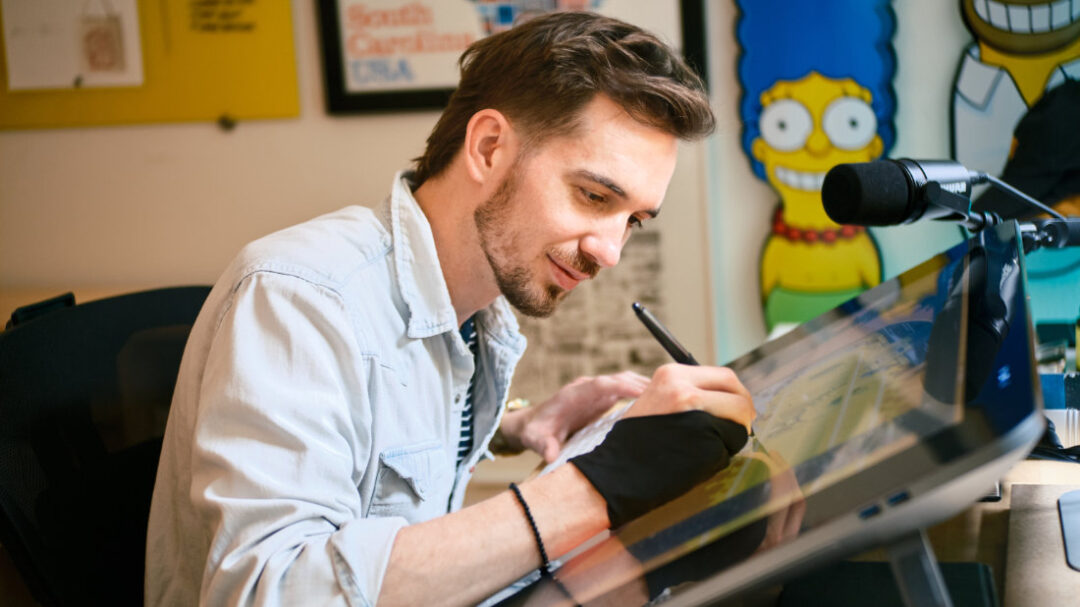
Let’s talk about tablets. Which features or qualities are most important to you when picking a digital canvas?
I need a touch screen and stylus. Once I switched to a Wacom Cintiq tablet, everything about my process upgraded. It made me faster and more intuitive with my illustrations.
From your experience with various tools, what qualities make Wacom tablets stand out for you?
The variety of tablet sizes and products is a big plus. I love having a portable tablet for travel and a larger one for my studio. It’s great to have options that fit different needs.
Can you share which Wacom features you find most valuable in your day-to-day work?
The stylus is incredible, especially since I never have to charge it. It feels like magic – always ready to go, with no interruptions to my workflow.
Lastly, what was your favorite part about developing Wacom’s 2025 Back to School campaign look and feel?
I had the chance to add more detail than I’ve ever created in a single illustration. It was a fun challenge, but also a rewarding experience. I wanted it to be a piece you could stare at for hours and still find something new – hidden details or doodles scattered across papers and computer screens. It was such a fun process, and I hope that sense of discovery comes through when people see it.
Note: Tyler’s headshot and other images of him in his studio were taken by Morgan Rindengen.
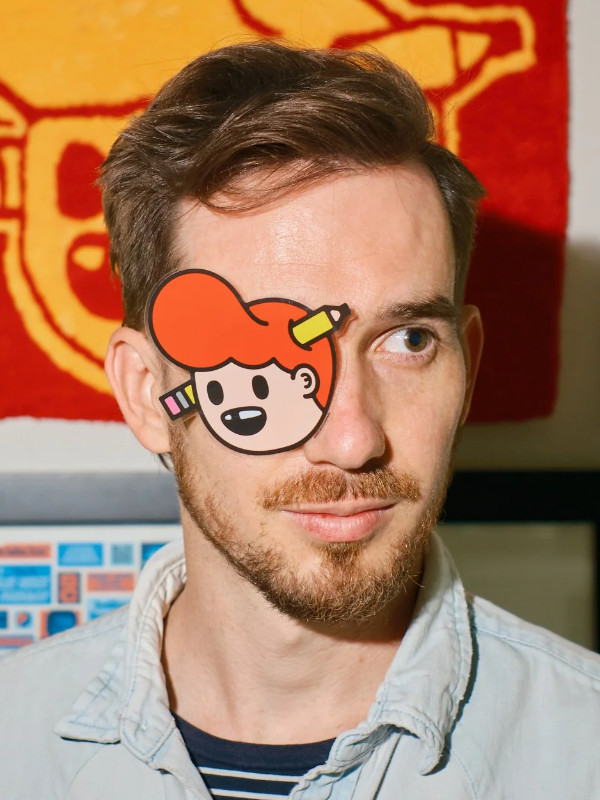
About the artist
Tyler Pate is a Los Angeles–based art director, illustrator, and creative problem solver with over a decade of experience shaping iconic brands and franchises. He’s helped lead and develop Nickelodeon’s global campaigns and consumer product guides. He has also worked with Adobe, Wacom, POSCA, StickerApp, Krispy Kreme, The Black Keys, and even Paul McCartney, blending pop culture with imaginative storytelling and design.
Beyond client work, Tyler leads The Creative Pain – a brand built to inspire artists, foster creative growth, and partner with companies to craft fun, unexpected, and visually original experiences.
Follow his work on Instagram, YouTube, Tik Tok, Facebook, LinkedIn, and X (Formerly Twitter).