ArtWod is an online art school that offers a complete roadmap for you to follow at your own pace, and a variety of ways to improve your art skills while having fun and connecting with a community. They offer art “workouts,” drawing courses, painting courses, art classes for specific techniques, and art puzzles to keep the learning both fun and engaging.
They also offer a variety of short tips and tutorials on their YouTube channel. In the video below, they discuss something that trips up artists of all kinds, even those who don’t draw “realistic” humans: how to draw anatomy. It’s a crucial foundational skill for all artists, but according to ArtWod’s Antonio Stappaerts, it’s typically taught wrong! Watch and/or read on below to see if his technique is a better approach to learning anatomy than what you’re used to.
Note: This guest article was written by and originally appeared on ArtWod’s blog. It is republished here with permission.
5 Steps to Drawing Anatomy on Easy Mode: A Beginner’s Guide
If you’ve ever felt overwhelmed by anatomy, you’re not alone. Traditional anatomy books throw Latin muscle names and complex diagrams at you – but what if you could improve your figure drawings faster, without memorizing every muscle? In this guide, you’ll learn a proven 5-step method to master anatomy the easy way. Whether you want to draw realistic figures or stylized characters, this approach will help you build confidence and see real progress in your art.
Step 1: Master Form Manipulation
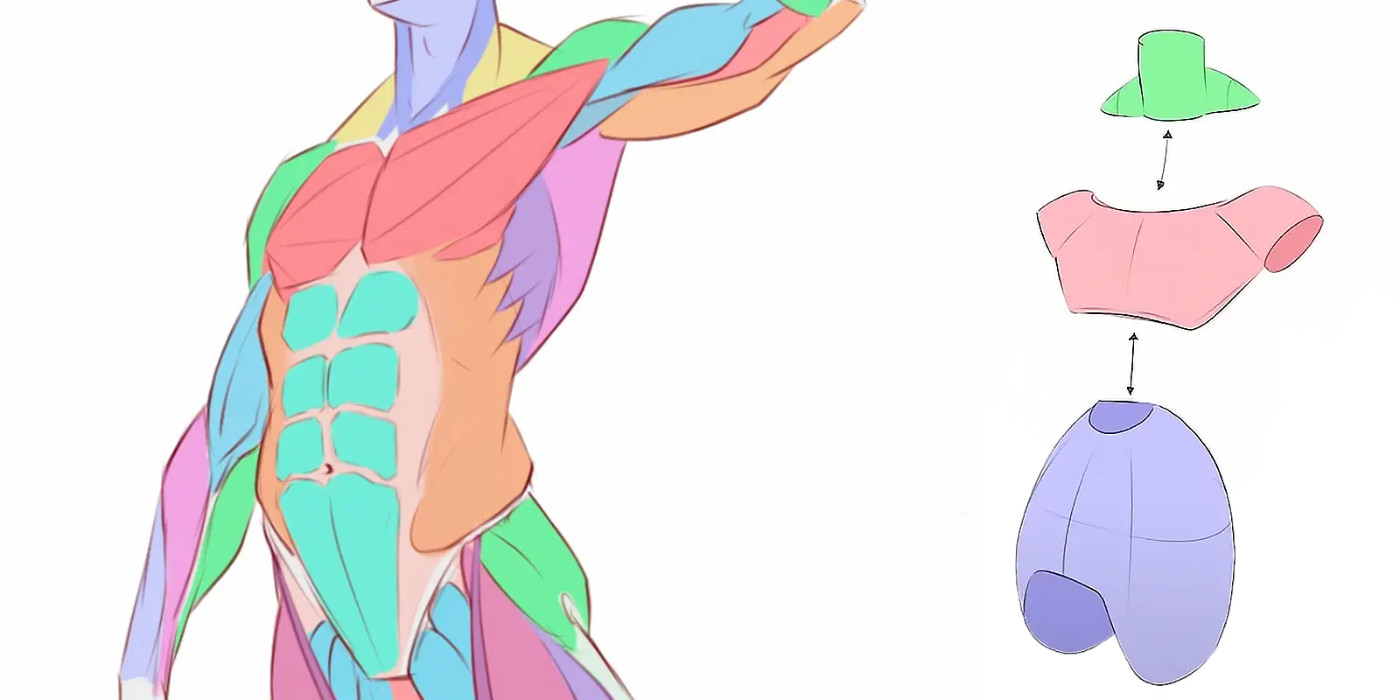
Before diving into anatomy, you need to understand how to manipulate simple forms like boxes and cylinders. Try bending, stretching, inflating, and tapering these shapes. This skill is the foundation for drawing believable figures—even something as complex as a pectoral muscle starts as a manipulated box!
Tip: Practice turning a simple box into different shapes, just like in our 6 Steps to Draw Anything: A Beginner’s Guide.
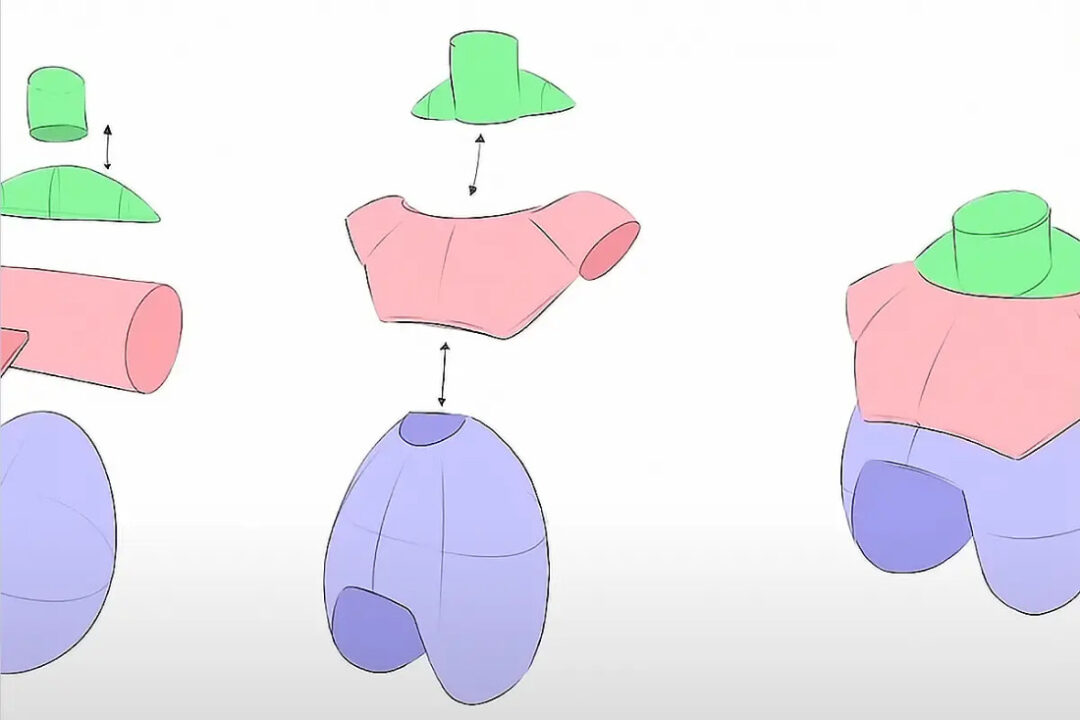
Step 2: Study Anatomy in Compartments
Before you dive into these techniques, it’s important to know how to manipulate simple forms – like boxes, cylinders, cones, and spheres – in space. If you’re new to this, start with the basics in our 6 Steps to Draw Anything: A Beginner’s Guide. Mastering form manipulation will make everything about drawing hands much easier!
Tip: Learn more about building figures in our How to Draw Stylized Arms from Imagination
Step 3: Simplify Anatomy to Your Level
Anatomy doesn’t have to be complicated. Focus on understanding the basic structure and how to represent muscles with simple forms. You don’t need to memorize muscle names—just learn how to use form manipulation to suggest anatomy. This approach is especially helpful for stylized or exaggerated characters.
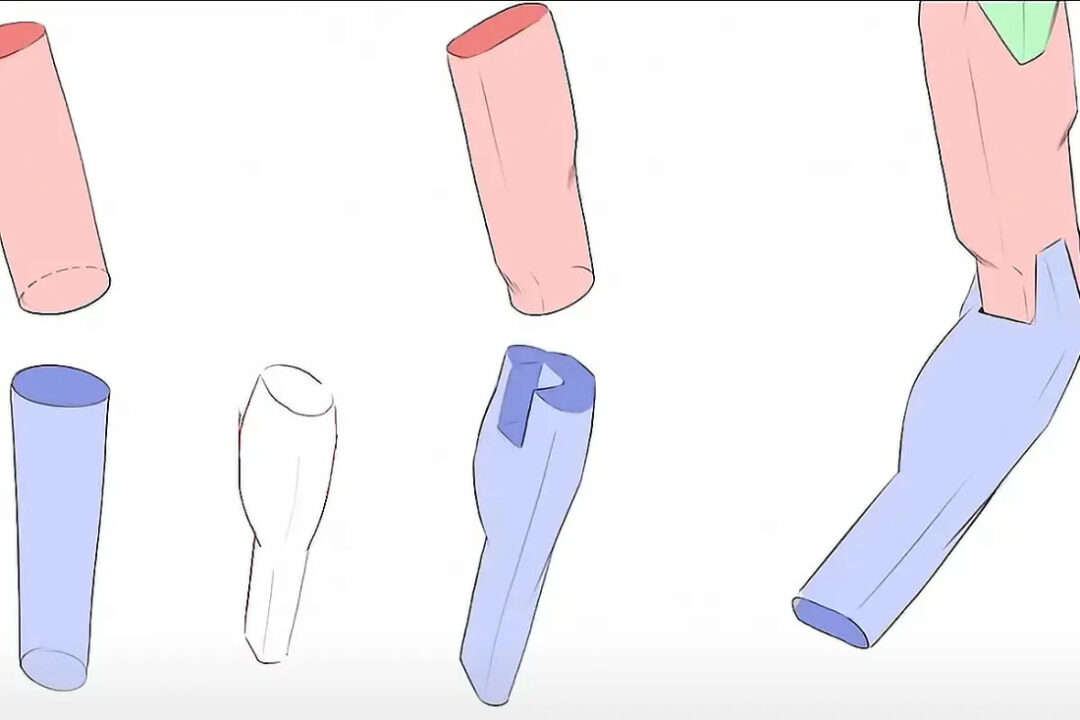
Step 4: Increase Difficulty Gradually
Once you’re comfortable with the basics, slowly add more detail and complexity. For example, turn a cylinder into a tapered shape with edge and contour manipulation. Combine simple forms to create more realistic or stylized figures. The key is to build your skills step by step, not all at once.
Step 5: Practice Abstract Shapes and Reverse Engineering
To truly master anatomy, try starting with an abstract shape and see if you can turn it into a believable figure using what you’ve learned about form and anatomy. This is a great way to practice drawing from imagination and to make your characters more dynamic.

Practice Consistently for Lasting Results
The secret to mastering anatomy is consistent, focused practice. Even 10 minutes a day is better than a long session once a week. By following these 5 steps—manipulating form, compartmentalizing anatomy, simplifying, increasing difficulty, and practicing abstract shapes—you’ll see dramatic improvement in your figure drawings.