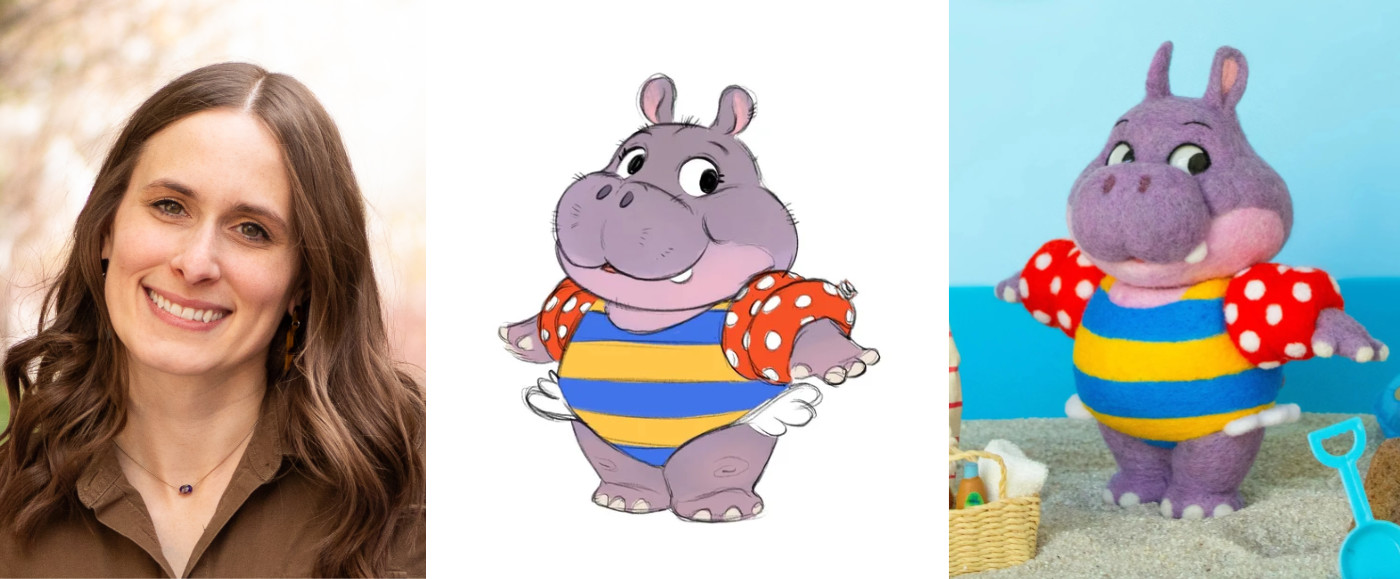
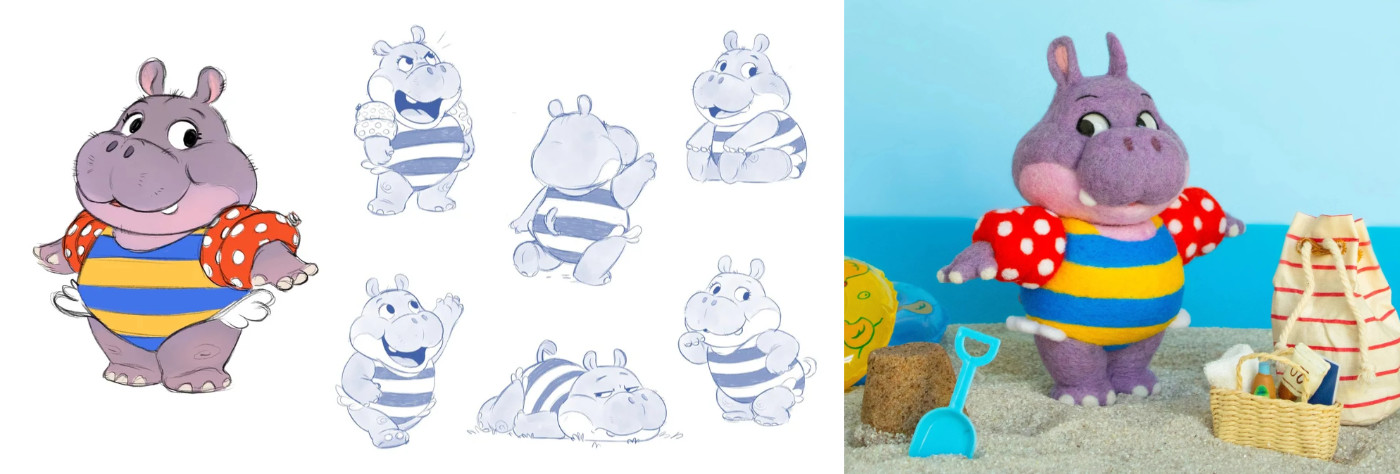
Chelsea Trousdale is an accomplished character designer and illustrator who has worked with Dreamworks TV, Epic! and Moon Active, among others. But she’s perhaps best known for her adorable, intricate, beautifully crafted needle felt creations. We love when artists take digital work that they create on their Wacom tablets and manage to turn them into physical objects that exist in the real world!
We wanted to know more about Chelsea’s background, inspiration, and how she transforms her drawings into felt sculptures. We also thought that, as a busy artist, she might appreciate the portable potential of the Wacom MovinkPad Pro 14 all-in-one drawing pad. She did, and made a video showing the behind-the-scenes process of going from digital illustration, created on the Wacom tablet, to adorable felt creation. We also spoke with her about her background, process, and any advice she has for young artists. The interview and video are below! Note: the following interview has been lightly edited for length and clarity.
You’ve said that you were considered the “artist kid” as early as elementary school. But how did you get there? Were your artistic passions nurtured early on?
My mom is an artist, so art was part of my life from a very young age. She taught me foundational skills, and I grew up watching her draw and work with clay. I thought it was the coolest thing and wanted to do the same. Both of my parents were very supportive, and that encouragement made a huge difference!
A lot of young creatives consider art school; you decided to get an art degree at a traditional university. How did you make that decision? Would you advise a young artist to go to art school in 2026 – or is doing an art degree at a four-year school, or perhaps even self-teaching, a better idea in your opinion?
College was always part of my plan, and at the time it felt like the clearest path to building professional-level skills. I valued the structure, feedback, and built-in creative community. Today, there are more ways to learn than ever, and a self-directed artist can absolutely develop strong skills without a traditional degree. What matters most is discipline, consistency, and actually putting in the work to improve. A degree can help, but it cannot replace initiative.
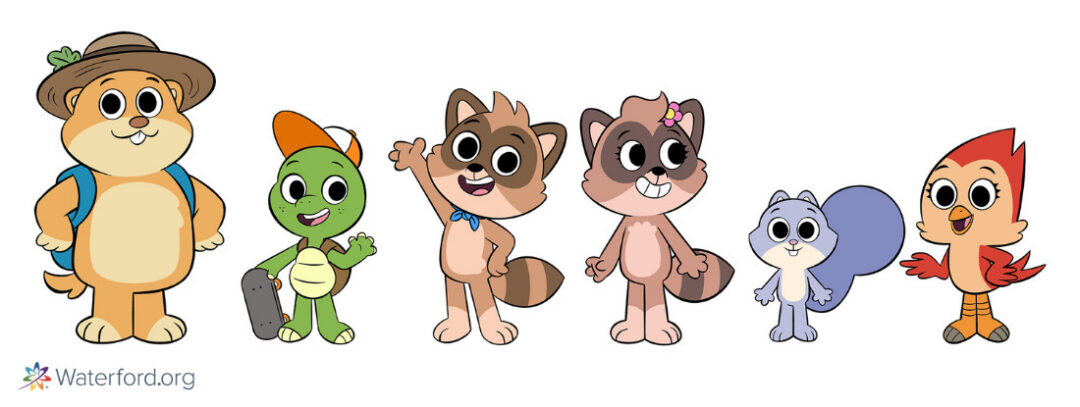
You focus a lot on animals in your work. Is that a remnant of your early interest in science and biology? What is it about animals that inspires you?
I’ve loved animals for as long as I can remember. I was always checking out animal books from the library and sketching from encyclopedias at home, so that interest has always been there. I also care deeply about animals and conservation, so it’s more than just a drawing subject for me. They’re endlessly inspiring as an artist; their shapes, personalities, and behaviors spark ideas, and I love that art can help people notice and appreciate them more.
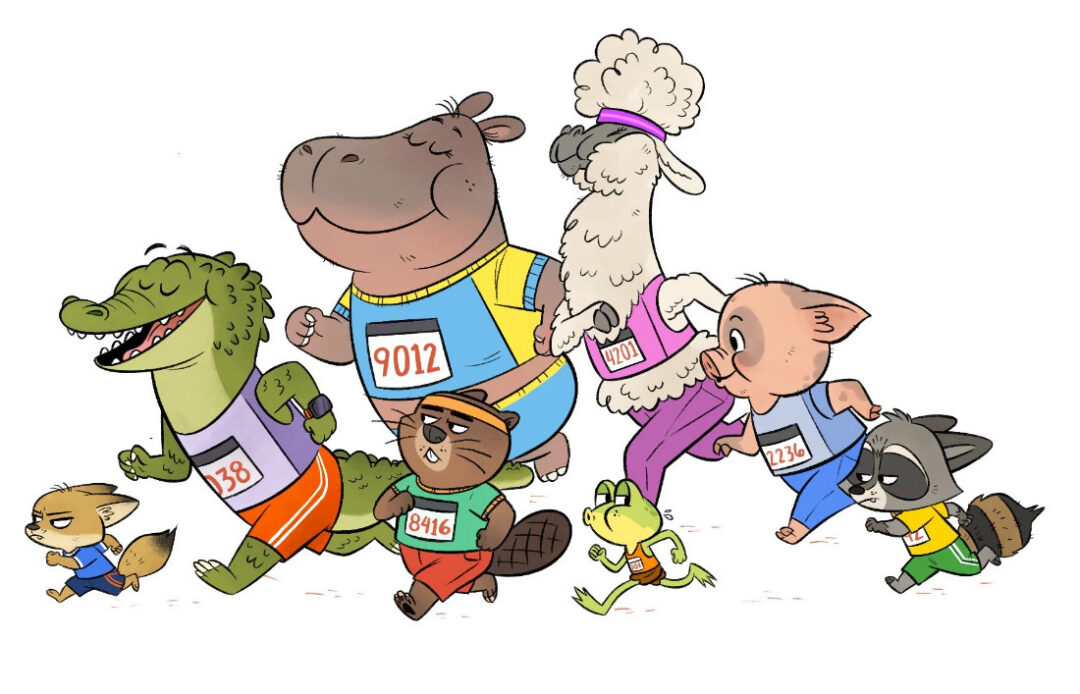
Your work is incredibly clean, with precise line work and color blending, in a somewhat traditional cartoon aesthetic. How did you develop your style? What advice might you have for young artists who are trying to develop their own Style?
My style has taken years to develop, and it’s still evolving. It grew out of consistent drawing, studying artists I admire, and gradually gaining clarity about what I want my art to feel like. For young artists, my advice is this: study what you genuinely love, experiment freely, and over time your style will start to feel like your own.
You’ve gotten your hands on the Wacom MovinkPad Pro 14 recently. How has your experience been so far? How has it added to and/or improved your digital art workflow?
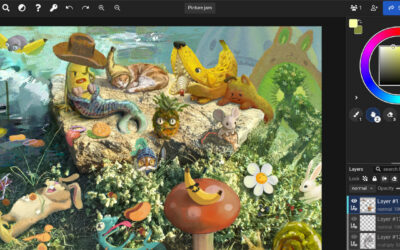
I’ve really enjoyed the MovinkPad Pro 14. One of the best parts is its flexibility – I can use it at my desk, on the couch, or even at the zoo, which makes it easy to keep drawing wherever inspiration strikes. I’m also excited that it can function as a pen display, making it even more versatile. I like that the pen feels light and natural, the screen has a great drawing feel, and the size strikes a perfect balance – portable, but still large enough to work comfortably.
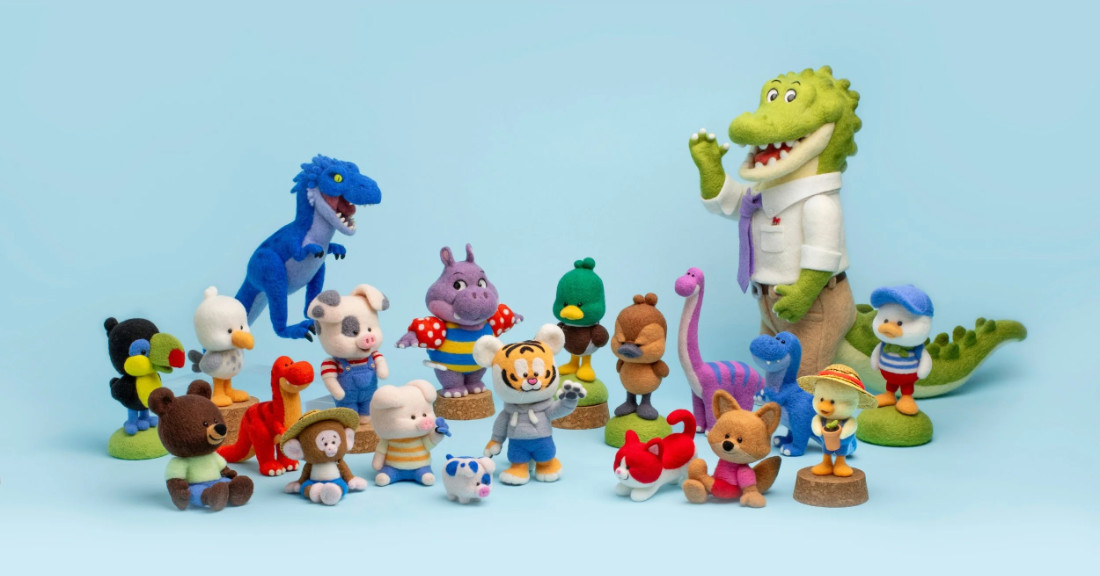
In addition to your digital work, you’ve been working on extremely cute needle felt sculptures. They are as meticulous and adorable as your illustrations. How did you go about pivoting in such a different, but complementary direction? From digital to truly physical, in-your-hands work like these sculptures?
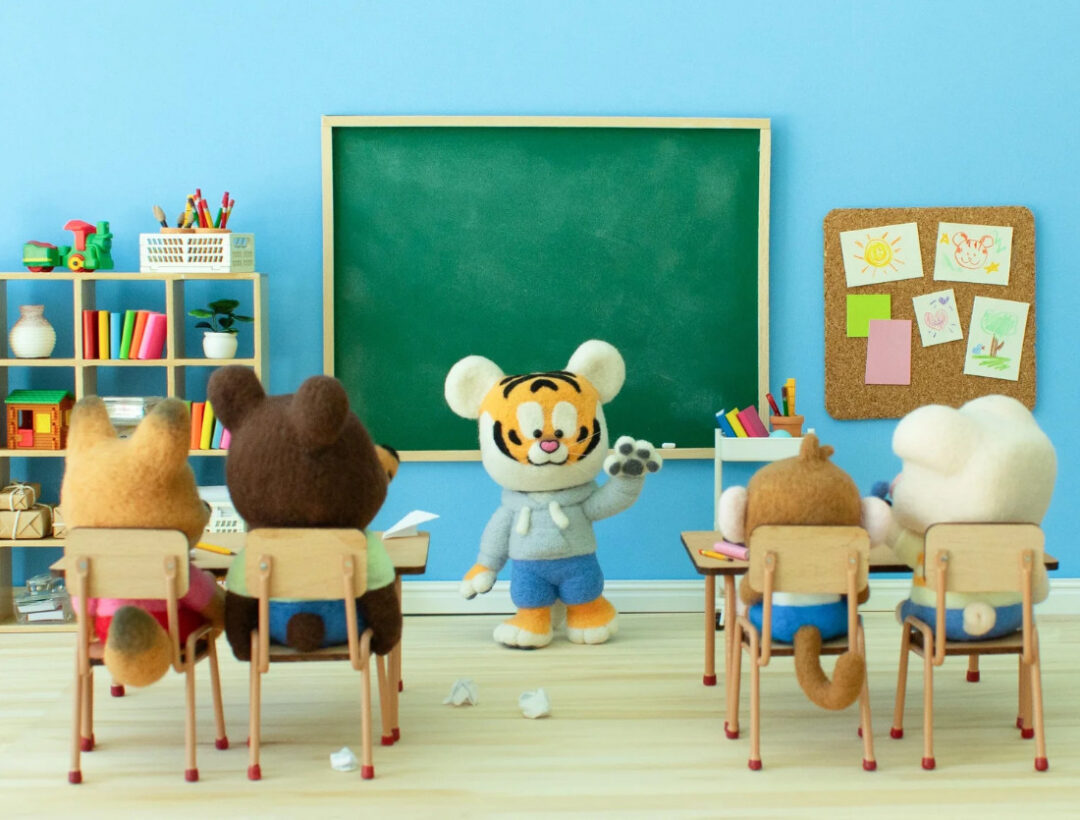
I’ve always loved sculpting, so working in a physical medium feels very natural to me. Even as a kid, I made oven-bake clay pieces and sold them to friends and family. When I discovered needle felting, it felt like a natural extension of my character design work. I loved the idea of taking something that started as a drawing and turning it into something you can physically hold. That transformation still feels incredibly satisfying, and it has become a distinctive way to make my work stand out. Plus, the texture is unmatched!
You’ve talked about how you believe young artists should think more about the business side of art. Why is this so important for young artists, and what are a few of the most important things they should look into if they’re thinking about a future creative career?
I think it’s more important than ever for artists to understand the business side of their work, because talent alone isn’t enough to build a sustainable career. The industry is competitive, many roles are project-based, and artists have to be proactive. Young artists should learn the basics of marketing, networking, contracts, and financial management. Understanding how to price your work, negotiate respectfully, communicate clearly, and build long-term relationships is just as important as improving your craft. You don’t need to become a business expert, but you do need to treat your art like a business if you want it to support you!
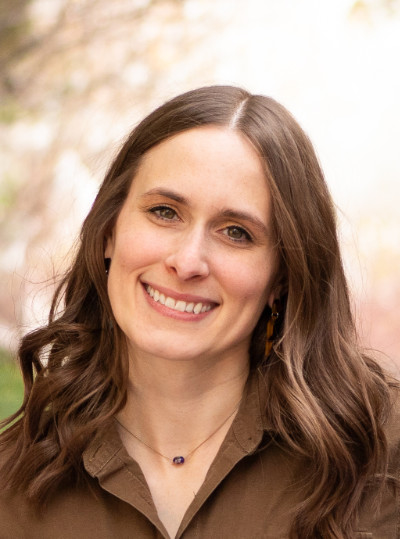
About the artist
Chelsea Trousdale is a character designer and illustrator known for bringing original work to life through drawing and needle-felt sculpture, helping redefine modern, character-driven needle felting. Her work includes projects with DreamWorks TV, Epic!, and Moon Active. Her original creations are at the center of a growing brand, with needle felting as one of its signature forms.
Follow her work on her website or on Instagram, Facebook, YouTube, or LinkedIn.