Young people who love art don’t have to choose between following their dreams and finding a career. There are so many other creative careers out there beyond the typical ones we often hear about like graphic designer, animator, comic book artist, or illustrator.
This post is one in a series of Wacom articles exploring a variety of Creative Careers. If you’re a young, artistic person thinking about your future and want to check out all of our Creative Careers content, click here! If you’re an art or CTE teacher or professor, scroll to the bottom for some special Creative Careers resources from Wacom.
One lesser-known creative career that can be extremely rewarding is Forensic Artist. In the below video, forensic artist Natalie Murry talks about her work, how she pursued the career, what it entails, the Wacom tools she uses, and why it’s so rewarding.
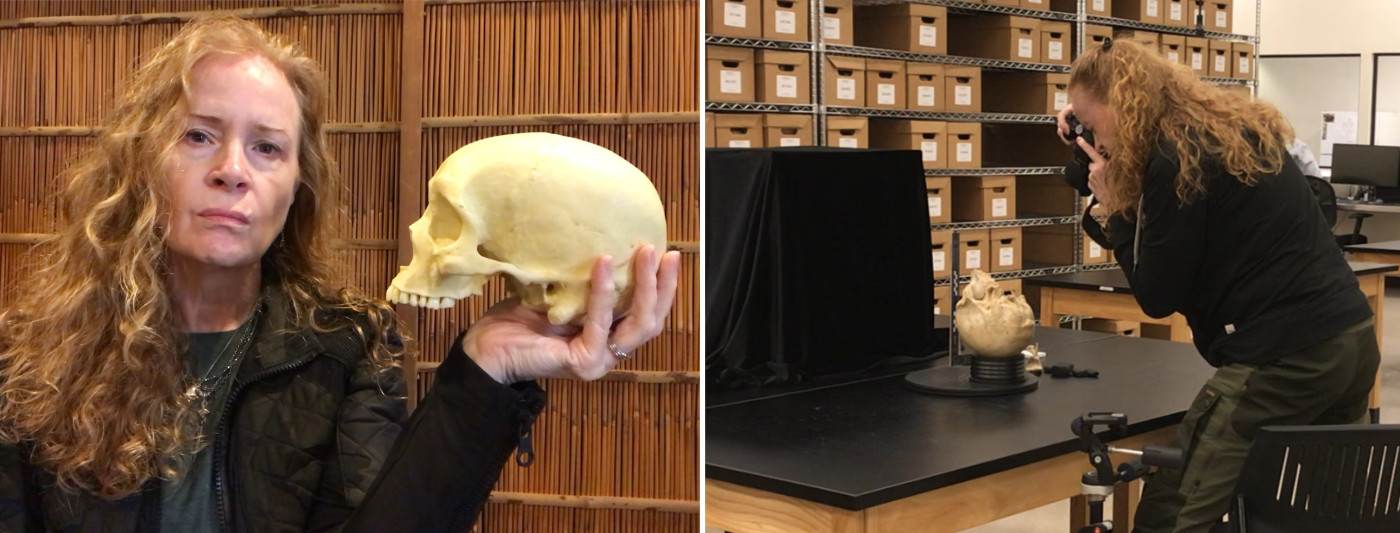
Natalie Murry began her career as a forensic artist while she was a police officer. She received the bulk of her forensic art training at the FBI Academy in Quantico, VA, but continued with more advanced workshops over the years in other locations around the country.
Forensic art primarily consists of creating composite drawings, doing postmortem imaging, working on age progressions, and generating 2D and 3D reconstructions from unidentified remains. Murry specializes in 2D reconstructions. Since retiring from law enforcement, she has freelanced with her own business, Natalie Murry Forensic Art.
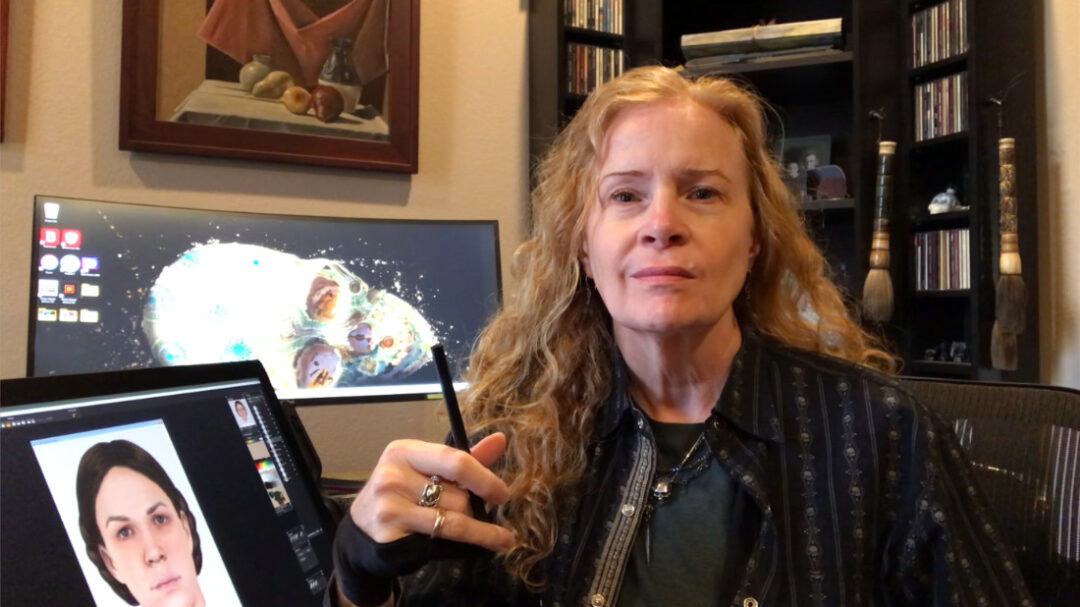
She was one of the first forensic artists to begin drawing digitally, and currently works primarily on a Wacom Cintiq Pro pen display. Murry has done reconstructions and postmortem imaging for police agencies and medical examiners all around the country and has trained civilian and law enforcement artists in her digital forensic art methods.
She has written two books that were published by Taylor Francis, “Digital Forensic Art Techniques” and “Reading the Skull: Advanced 2D Reconstruction.” She currently lives and works in the Austin, TX area.
What does a forensic artist do?
Forensic artists work with law enforcement to draw images of people suspected of or victim to crimes. They might interview eyewitnesses in an attempt to create a likeness of a suspect, use skulls or other data to reconstruct what someone might have looked like while alive, or specialize in age progression.
Where do forensic artists work?
Many forensic artists transition into the career from previous positions in the criminal justice field. While some work freelance, most are employed in major cities with large law enforcement budgets.
Who might enjoy this career?
Someone with a passion for criminal justice who wants to support law enforcement using their artistic skill. They must be comfortable engaging with the details of criminal acts, including violence and crime scenes, and be empathetic and mentally strong enough to regularly converse with survivors of crime.
What skills are needed for forensic art?
- Passion for and training in criminal justice
- Empathy and mental toughness to engage regularly with details of violence and crime
- Artistic ability to combine eyewitness accounts, crime scene data, and other information to quicly generate sketches and illustrations
What kind of education is necessary?
Most forensic artists study criminal justice or pursue a law enforcement career, for example as a police officer, first. Short courses in the different disciplines of forensic art are available, such as the Forensic Art Certification courseload offered by the International Association for Identification.
What tools do forensic artists use?
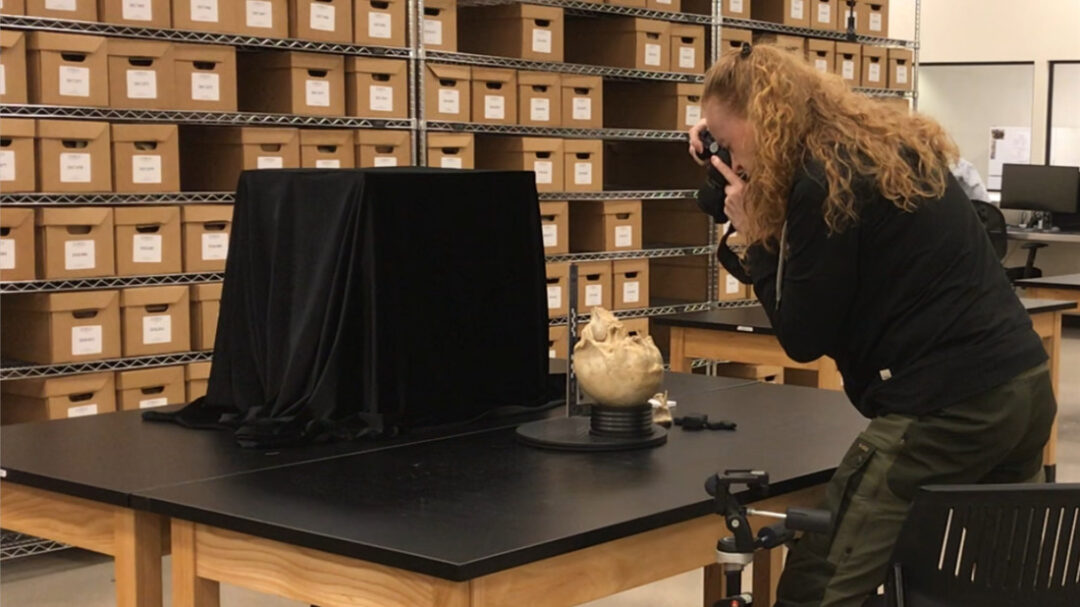
- Digital cameras if taking photos of crime scenes for later illustration
- Traditional art mediums (forensic artists are often called upon to create sketches at crime scenes or police stations)
- Digital art software for detailed illustration, 3D modeling, or age progression
- Digital art tools such as Wacom Cintiq Pro pen displays
What is the salary range for forensic artists?
Average salaries of $60-80,000 USD per year, but there is a lot of variety depending on location and specialty.
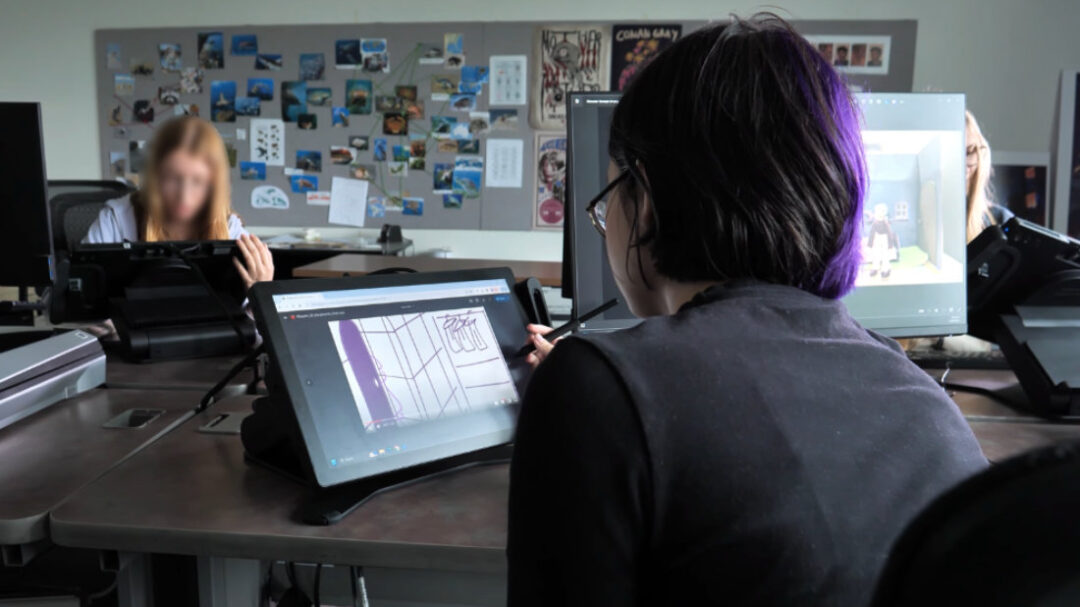
Are you an art and/or CTE educator?
We’ve created a poster version of this Creative Career profile, in case you’d like to give your students easy access to this information! It even feature a QR code that links directly to the video above. Click here to access the poster download.
Also, check out Wacom’s Creative Careers page for dozens of articles and resources about career paths for creative young people! It features interviews from professionals, editorials about art school, Creative Education webinars, resources to help with applying for classroom grants, and much more. If you’re interested, click here.
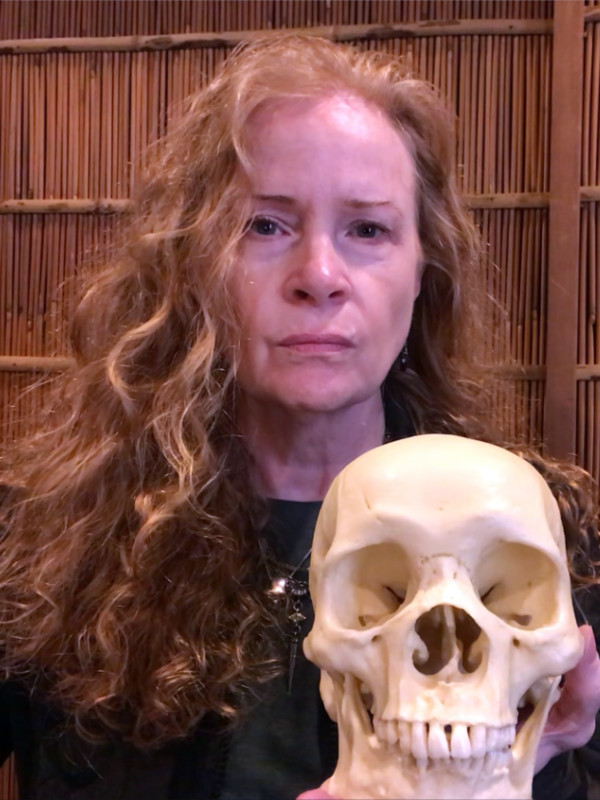
About the artist
Natalie Murry is a U.S. forensic artist currently residing in Texas. Though trained and proficient in hand-rendering, Natalie has been a driving force in an ongoing movement to develop and refine digital means of generating forensic art services. The majority of her forensic work is created using professional art software with a stylus and a Cintiq tablet. As a former law enforcement officer for ten years, Natalie’s background in interview and interrogation, criminal investigations, and evidence handling add depth to her forensic art expertise.
To learn more, check out her website, Instagram, Facebook, or LinkedIn.