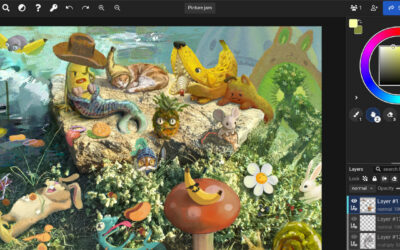
Young people who love art don’t have to choose between following their dreams and finding a career. There are so many other creative careers out there beyond the typical ones we often hear about like graphic designer, animator, comic book artist, or illustrator.
This post is the third in a series of Wacom articles exploring a variety of Creative Careers. If you’re a young, artistic person thinking about your future and want to check out all of our Creative Careers content, click here! If you’re an art or CTE teacher or professor, scroll to the bottom for some special Creative Careers resources from Wacom.
One lesser-known creative career that can be extremely rewarding is Pet and Wildlife Photographer. In the below video, Pet and Wildlife Photographer Peter Sharp talks about his work, how he pursued the career, what it entails, the Wacom tools he uses, and why it’s so rewarding.
Peter Sharp has loved photography ever since he got his first camera as a teenager, but it didn’t become his career until much later. He worked as an audio engineer and as an electronics marketer first, but then everything changed: he was diagnosed with a spinal condition that put him in and out of the hospital for years! As he dealt with this condition, he picked photography back up as a form of art therapy.
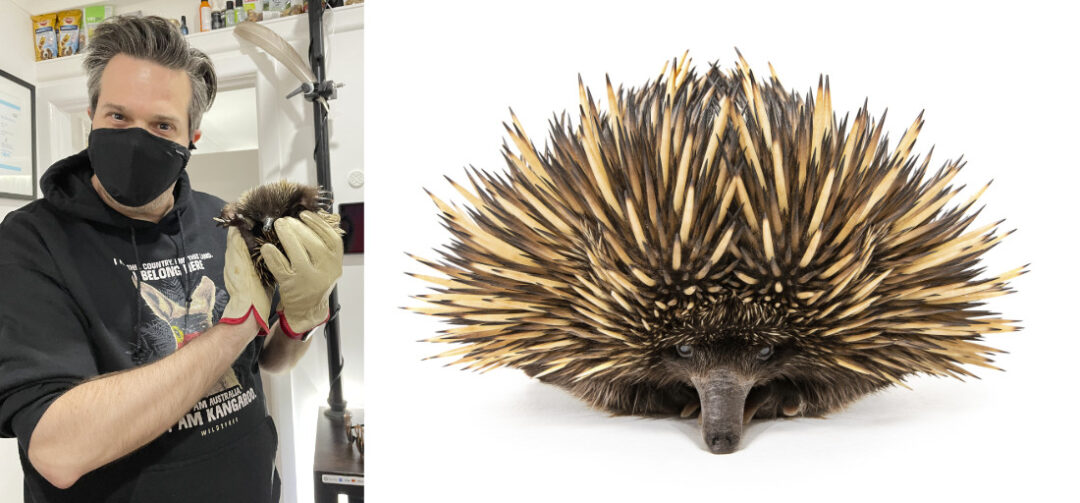
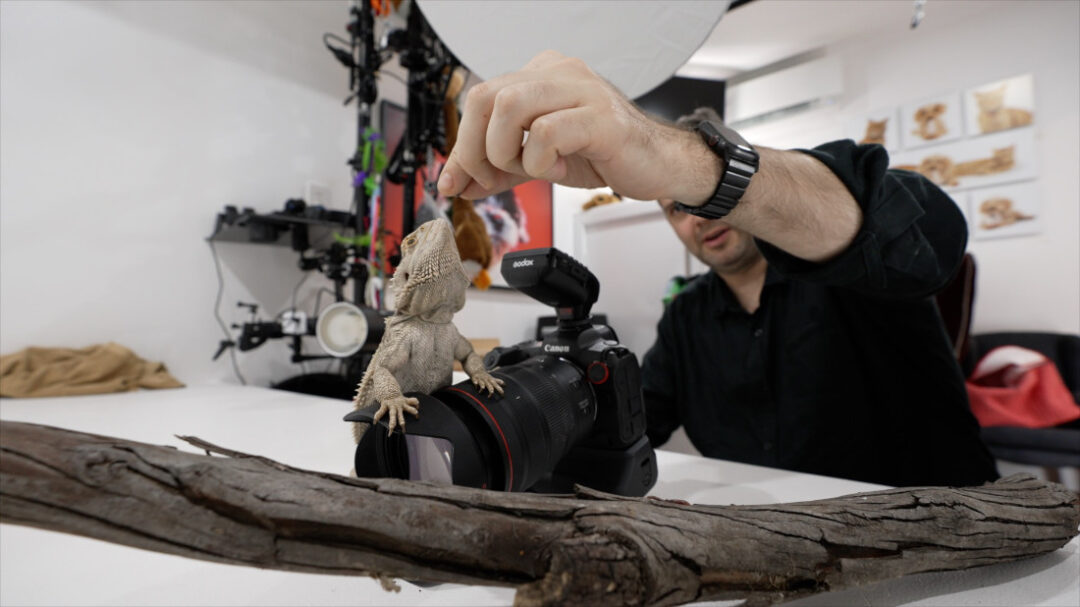
A trip to Africa in 2015 reignited his love of animals, and he realized he could pursue a new career combining the two. Since then, he’s built a home photography studio, full of Wacom gear that allows him to work in ergonomic ways to take pressure off of his back, and at which he can shoot a variety of pets and other animals.
The video above showcases his story and career. Want to learn more about pet and animal photography as a career? Keep reading.
What does an animal photographer do?
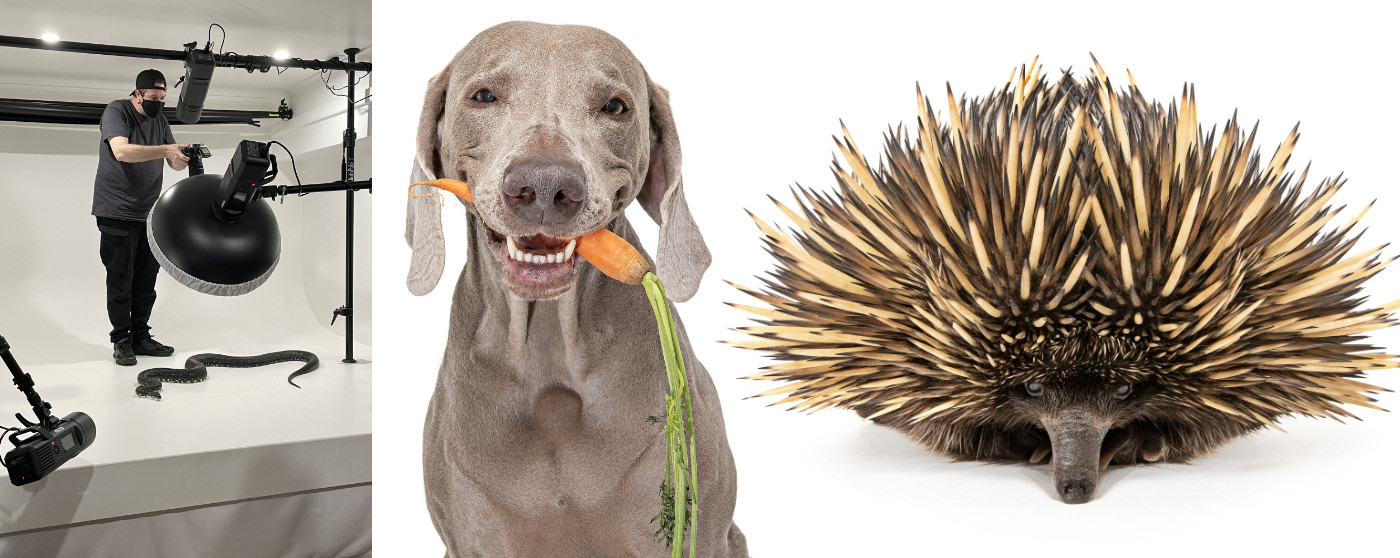
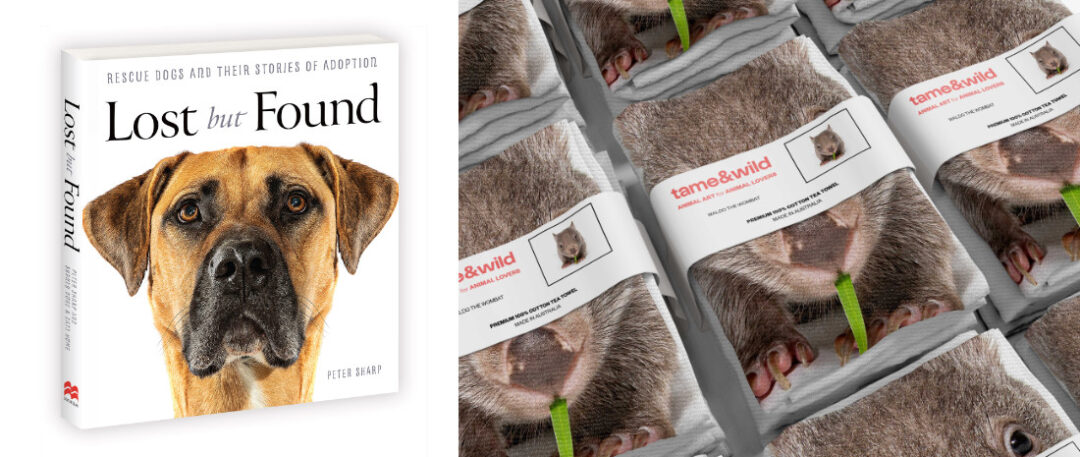
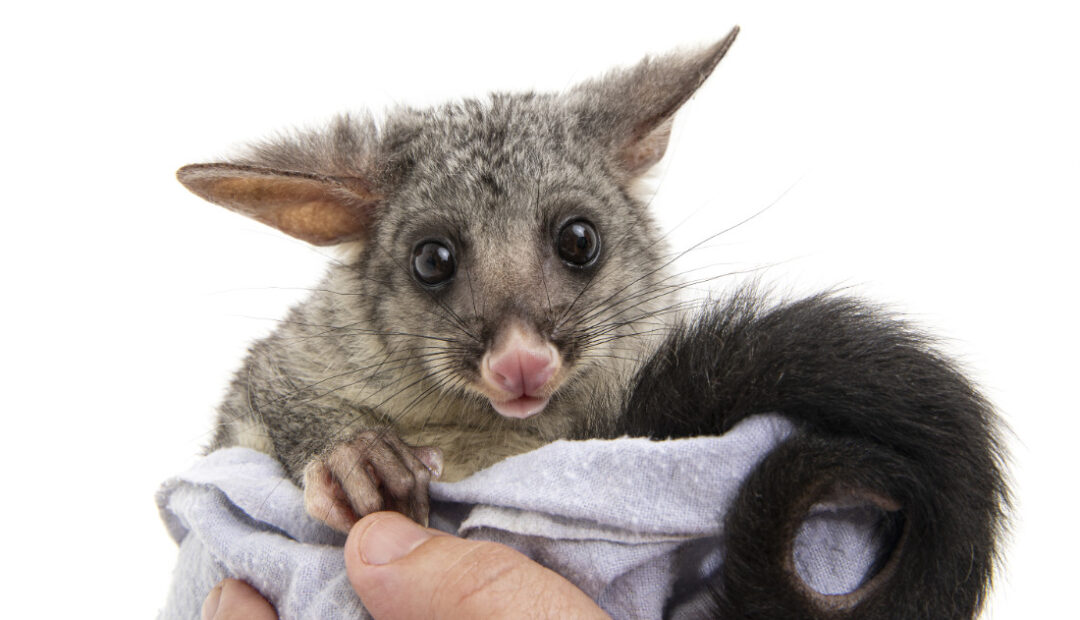
Animal photographers take pictures of animals – but there is a lot of variety in the career. They can work commercially for magazines, businesses, or stock outlets. They can take photos of pets for private clients. There’s also wildlife photography, either for scientific or documentary purposes, or for fine art. Photographers like Peter Sharp also create their own art books and other products featuring their work.
Where do animal photographers work?
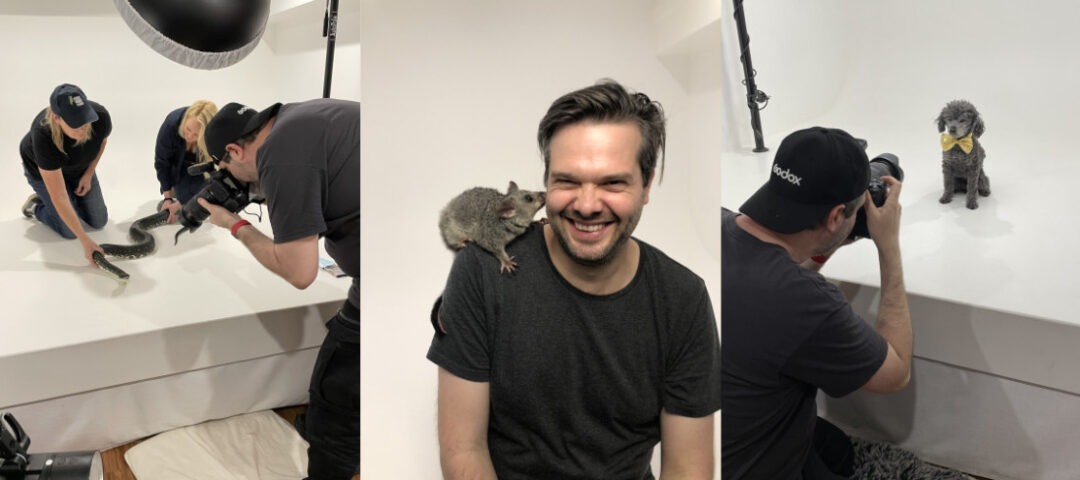
Most animal photographers work as freelancers. In major cities, they can possibly get consistent work locally, but travel is usually a part of this job – they have to go to where the animals are. Many have home studios to do their own photo editing.
Who might enjoy this career?
Photographers who love animals, especially if animals tend to like and feel comfortable around them. People who are willing to spend a lot of time traveling, and are open to spending time outdoors – especially if they’re photographing wildlife.
What skills are needed for animal photography?
- Passion for and comfort with a variety of animals
- Flexibility and adaptability – animals can be unpredictable
- Willingness to travel to where animals are
What kind of education is necessary?
Some photographers studied the art in school, but many are self-taught. Learning how to edit photos as well as take them is an important skill that can greatly support one’s career. Most modern photographers shoot digitally, but knowing how to shoot and process analog film can set someone apart, especially for fine art.
What tools do animal photographers use?
- Cameras and camera equipment (tripods, lighting and flashes, lenses and filters)
- Digital photo editing software (Adobe Photoshop, Skylum Luminar, Affinity Photo)
- Wacom creative pen tablets for editing (such as Wacom Intuos Pro)
What is the salary range for animal photographers?
Average salary from $30-60,000 USD per year with wide variety – well-established photographers with high-end clients can make $100,000+ USD.

Are you an art and/or CTE educator?
We’ve created a poster version of this Creative Career profile, in case you’d like to give your students easy access to this information! It even feature a QR code that links directly to the video above. Click here to access the poster download.
Also, check out Wacom’s Creative Careers page for dozens of articles and resources about career paths for creative young people! It features interviews from professionals, editorials about art school, Creative Education webinars, resources to help with applying for classroom grants, and much more. If you’re interested, click here.
About the artist
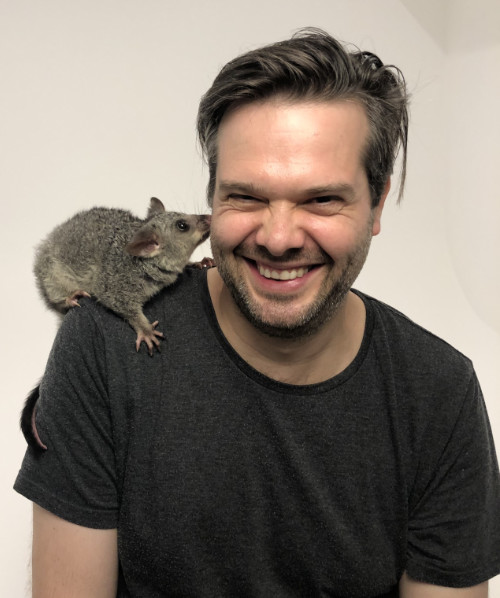
Peter Sharp is a creative director and photographer specializing in pet and wildlife photography as the director of Tame & Wild Studio. He’s an award-winning photographer who has also dedicated his time to animal-focused causes, and has created products featuring his photography such as as Lost But Found, a book that chronicles dozens of dogs’ adoption stories.
To learn more, check out his website, Tame & Wild’s website, his Instagram, Tame & Wild’s Instagram, his Facebook, or his LinkedIn.