Whether you’re a freelance designer, agency creative, or student sharpening your craft, 2026 promises to be an interesting year for graphic design. The ubiquity of tools available – and the spread of AI-generated graphics, images, writing, and content – means your designs need to be more dynamic, expressive, forward-thinking, and human-centered than ever.
You don’t want to just be a trend-follower, but it’s important to keep an eye on what’s happening in the industry so you’re aware of what clients and peers are looking for and producing. The trends below are what we thinking could be popular this year. They blend technological innovation with cultural awareness and problem-solving with aesthetic expression.
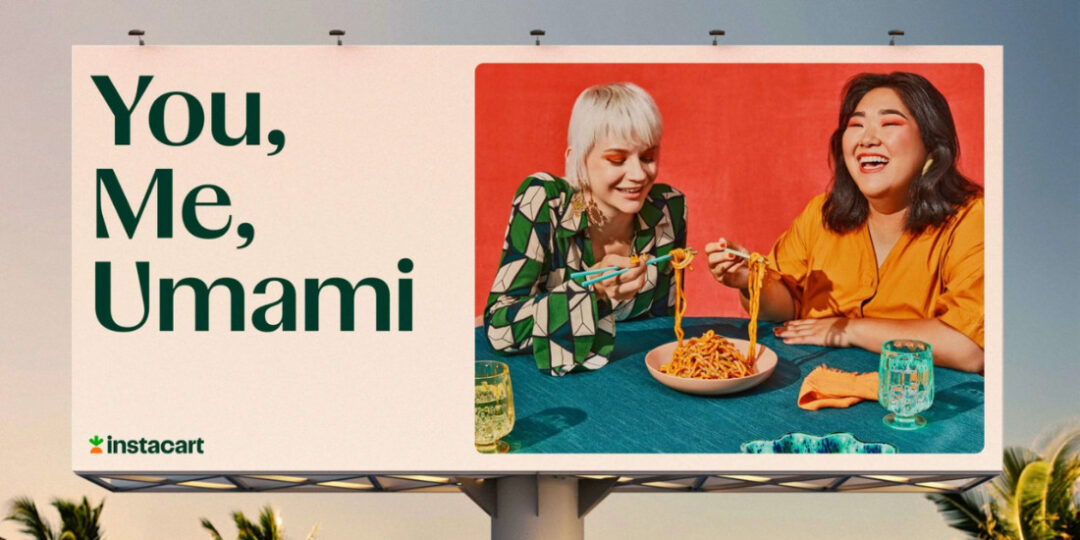
Trend 1: Bold Minimalism with Impact
Minimalism isn’t dead, it’s reinvented! Instead of sterile simplicity, designers are embracing minimalist layouts that deliver maximum meaning through intentional use of space, strong typographic hierarchy, and strategic contrast. Minimal doesn’t need to mean white space, either – color is key to the “bold” in “bold minimalism.” This works especially well in UI/UX work, but as in the above example can be excellent for branding and advertising as well.
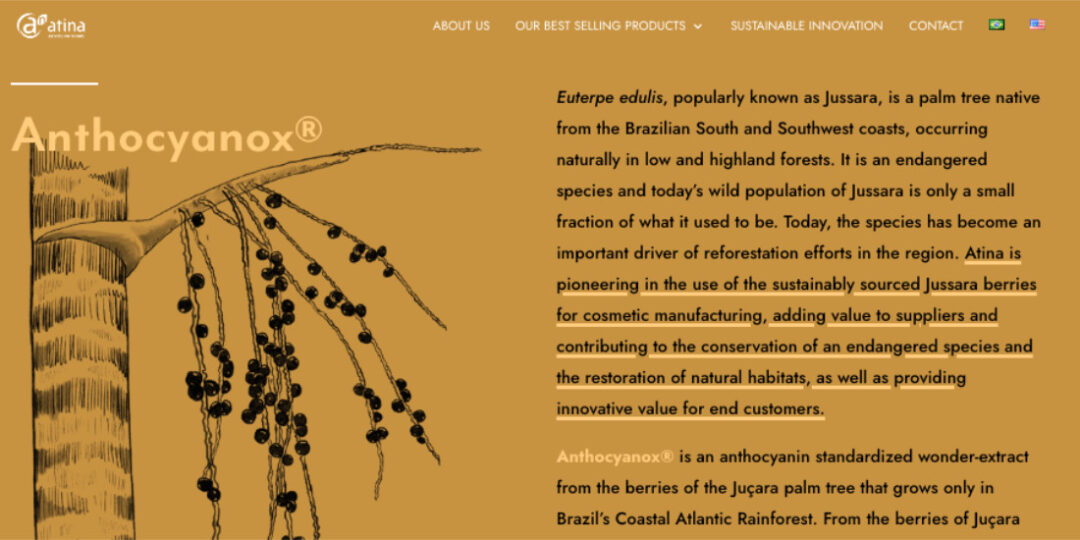
Trend 2: Neo Naturalism and Sustainable Aesthetics
While digital sustainability might seem like an oxymoron, we’re in an era of climate change awareness and eco-friendly attitudes. Consumers are growing more and more interested in organic, sustainable items – so even for brands that don’t make physical products, visual languages in 2026 will increasingly reflect ecological awareness. Pantone’s color of the year was cloud white, after all! That means natural color palettes like muted earth tones, physical materials-inspired motifs, and organic, imperfect shapes.
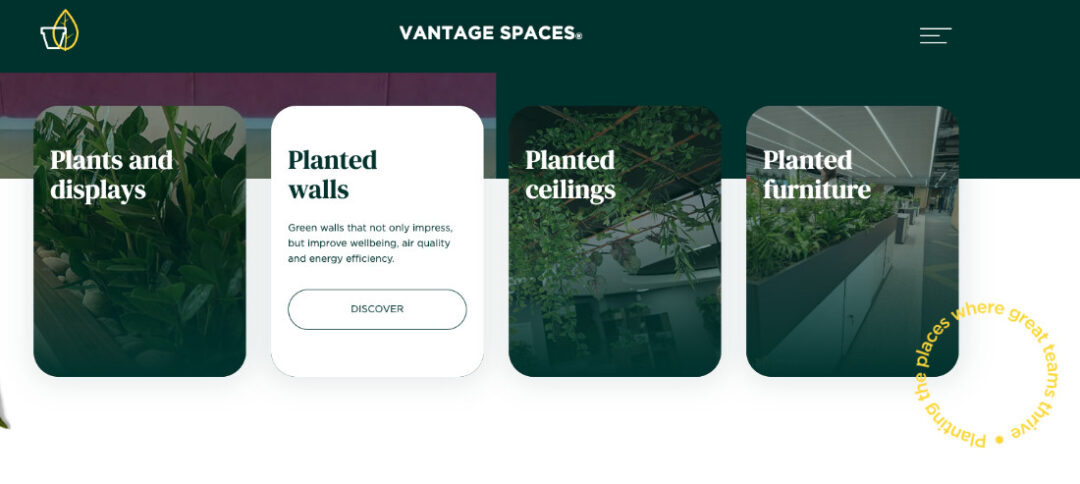
Trend 3: Expressive, Elastic Typography
Typography isn’t just functional; it can be an aesthetic choice. And modern technology has made typography in digital spaces more and more dynamic and manipulable. Expect to see elastic, motion-inspired letterforms – or kinetic typography that uses movement to add visual interest, like in the above example (the yellow text in the bottom right corner continuously rotates).
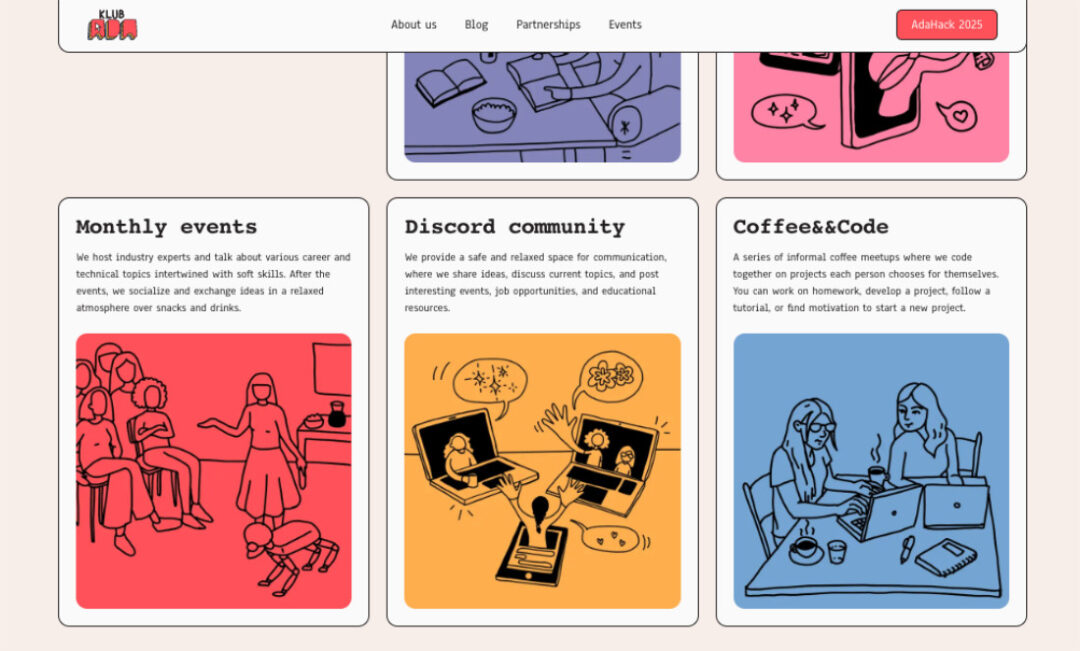
Trend 4: Modularity and Grid Layouts
Modular and/or grid-based layouts are on the rise. They’re flexible, scalable, and visually calm – perfect for the overwhelming amount of information being thrown at consumers these days. They help designers manage complex content with simplicity and rhythm, and they work especially well across responsive interfaces that need to transition seamlessly from desktop to tablet to mobile.
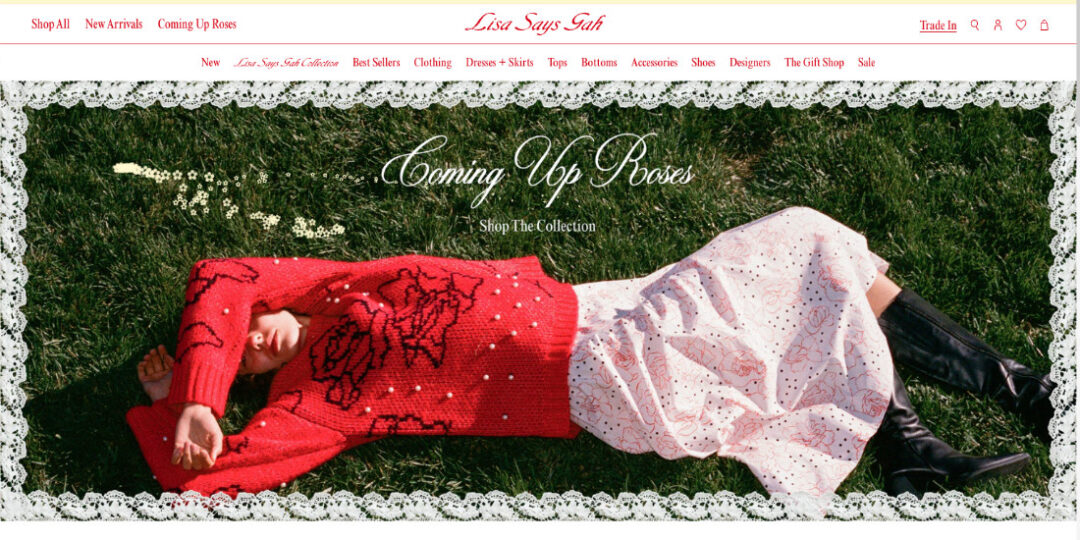
Trend 5: Modern Nostalgia
Perfect if you’re trying to connect with a Millennial audience, or anyone who remembers the early days of the Internet fondly, Modern Nostalgia blends up-to-date technology with hints of 90s-2000s aesthetics, like cursor trackers (as in the Lisa Says Gah brand site, above), analog print photography, and low-res, MySpace-era image effects. This design style can bring your customer back to the “good old days” while staying up-to-date.