Whether you’re a freelancer or working for an agency, it’s important to keep tabs on what’s trending in the world of branding. We compiled a list predicting trends for design and branding in the next year. Use these predictions to up your branding game!
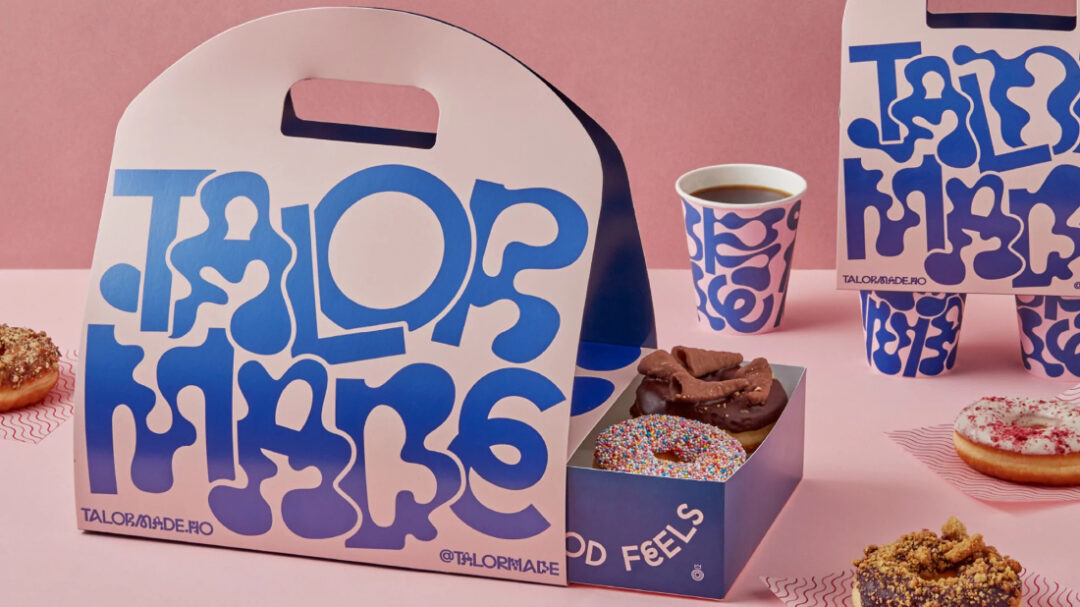
1. Bold, Maximalist Fonts
According to Design Bootcamp, “Font Maximalism is about using type as the hero element, not just to communicate words, but to express mood, identity, and energy.” Instead of a logo or other branding elements, relying on a big, bold wordmark or maximalist font in branding can communicate a brand’s identity while also cementing the brand’s actual name in customer’s minds. With the wealth of affordable fonts and font manipulation software now more accessible than ever, fonts can communicate one’s brand as well – and sometimes more simply and directly – than logos, illustrations, or other brand elements.
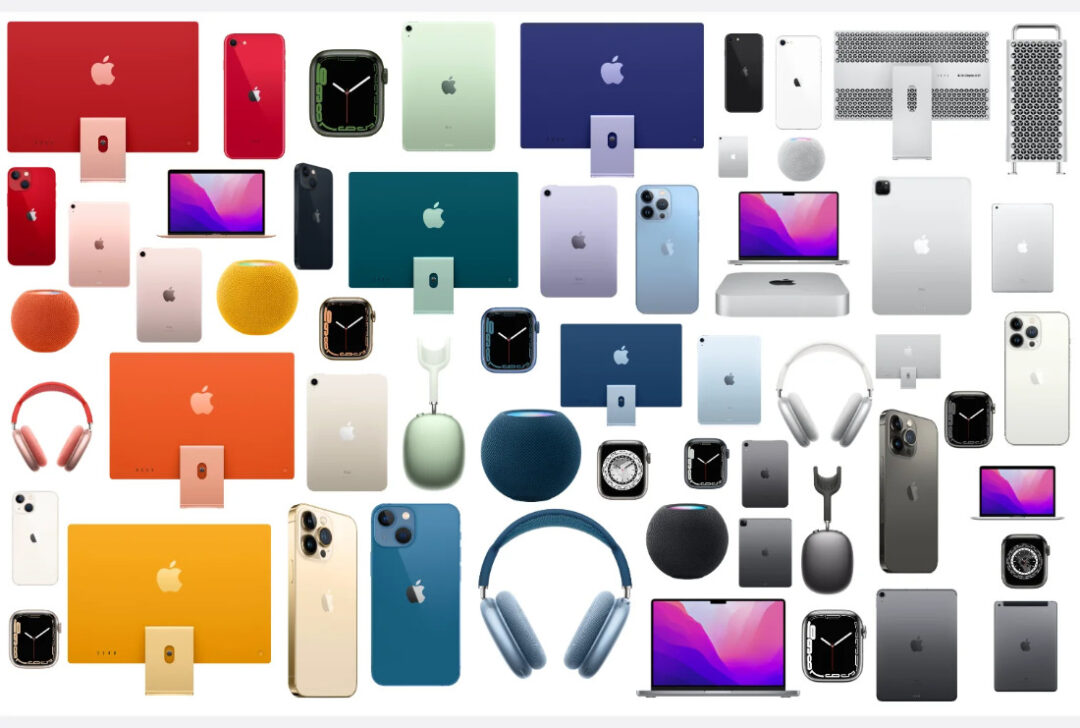
2. Adaptive minimalism
According to The Brand Strategy Lab, adaptive minimalism means designs that are “clean, simple, and easy to adjust across any platform.” That means they are discernible at any size and have flexible color palettes, so they can appear on products, digitally, and on packaging. This is helpful because branding can achieve consistency on social media, elsewhere digitally, on physical products, and in advertising and marketing.
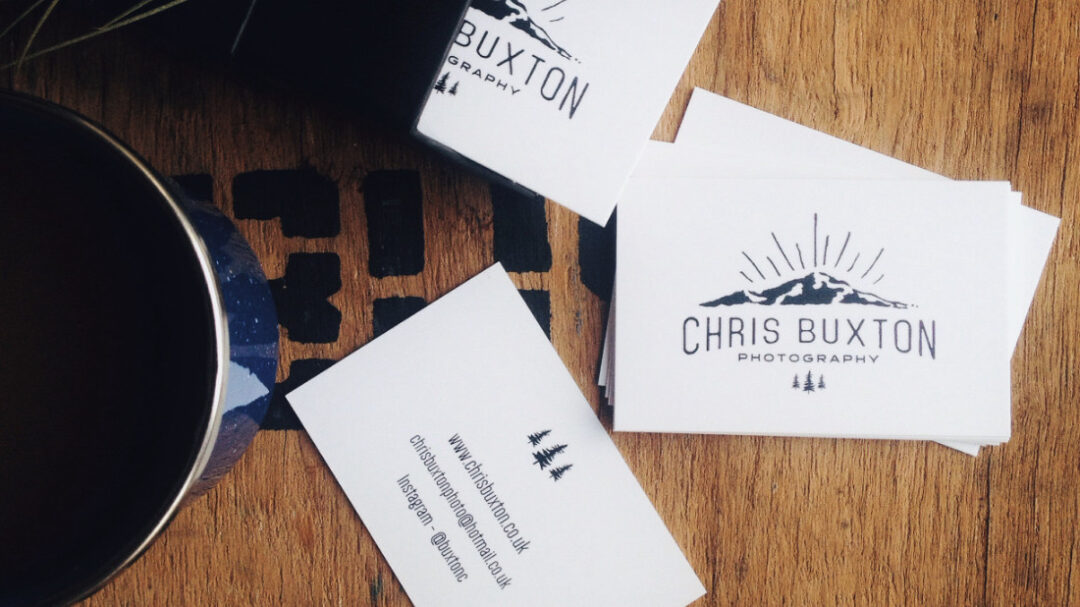
3. Delightfully Quirky Design Elements
According to Fast Company – which calls it “Just-Exactly-Not-Quite-Right” design, Delightfully Quirky design emphasizes the human element in design, in a sense responding to the ubiquity of generative AI, which often makes design elements that are a little “too perfect.” This approach to design utilizes elements that aren’t quite perfect, showcasing that a human being had a hand in creating the design. This could look like hand-drawn lines, slightly mis-aligned graphics, or even just a slightly more authentic, human-oriented approach to brand storytelling.
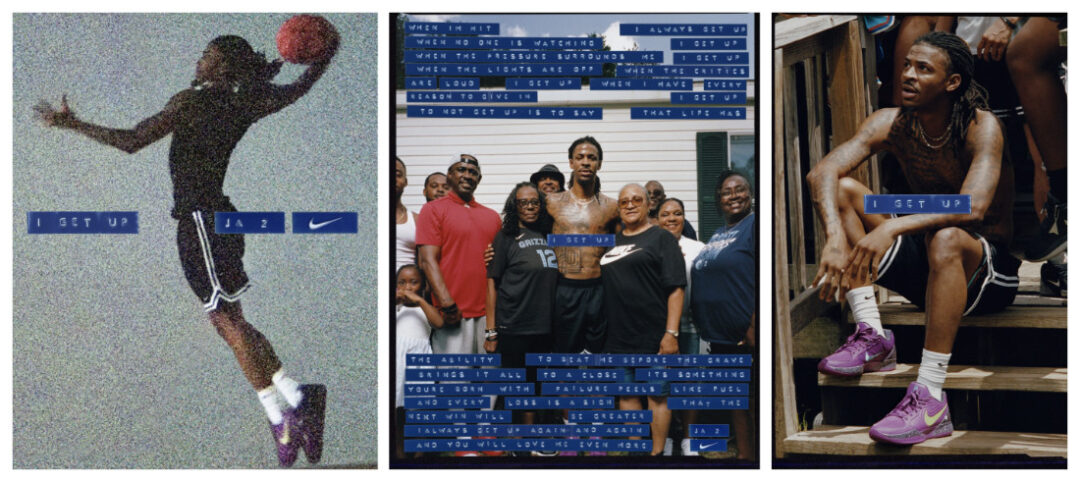
4. Digital + Physical Interaction
Similar to Delightfully Quirky, this design aesthetic aspires to bring the human element to the forefront. It prioritizes physical, “in real life” elements, like post-it notes, stickers, stamps, embossed labels (as in the Nike ads above), analog photographs, or other tactile elements, along with digital design features.
While these are just fun predictions, we hope to see how these trends play out this year!
Note: the feature image on this blog post is by Patrik Michalicka and was accessed from Unsplash.