ArtWod is an online art school that offers a complete roadmap for you to follow at your own pace, and a variety of ways to improve your art skills while having fun and connecting with a community. They offer art “workouts,” drawing courses, painting courses, art classes for specific techniques, and art puzzles to keep the learning both fun and engaging.
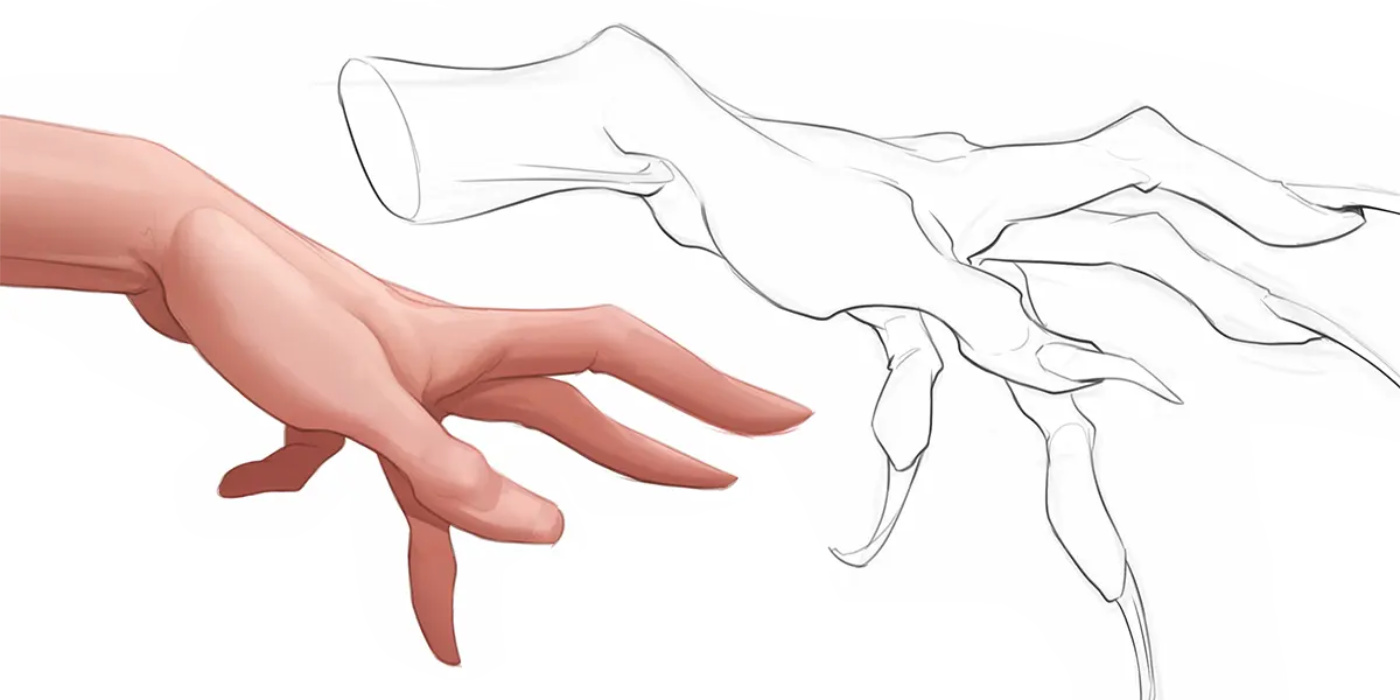
They also offer a variety of short tips and tutorials on their YouTube channel. In the video below, they discuss one of the most difficult aspects of character design and drawing humans in general: drawing hands! AI can’t seem to draw them – probably because human artists struggle, too. Will you become impossible to replace by AI if you learn how to draw hands like a pro? Maybe. Either way, watch and/or read along to learn how professional artists draw hands!
If you are just starting out learning how to draw hands, make sure to also check out How to Draw Hands for Complete Beginners: A Simple 4-Step Process.
Note: This guest article was written by and originally appeared on ArtWod’s blog. It is republished here with permission.
How to Draw Hands Like a PRO: Tips & Tricks That REALLY Work
Drawing hands can feel impossible, but it doesn’t have to be! In this guide, you’ll learn three powerful techniques that will help you draw hands with confidence – whether you’re working from reference or straight from your imagination. These tips are easy to follow, fun to practice, and will make your hand drawings look more lively and believable. Ready to level up your art? Let’s get started!
Prerequisite: Understanding Form Manipulation
Before you dive into these techniques, it’s important to know how to manipulate simple forms – like boxes, cylinders, cones, and spheres – in space. If you’re new to this, start with the basics in our 6 Steps to Draw Anything: A Beginner’s Guide. Mastering form manipulation will make everything about drawing hands much easier!
For even more tips, tricks, and art tutorials, download ArtWod’s free ebook here.
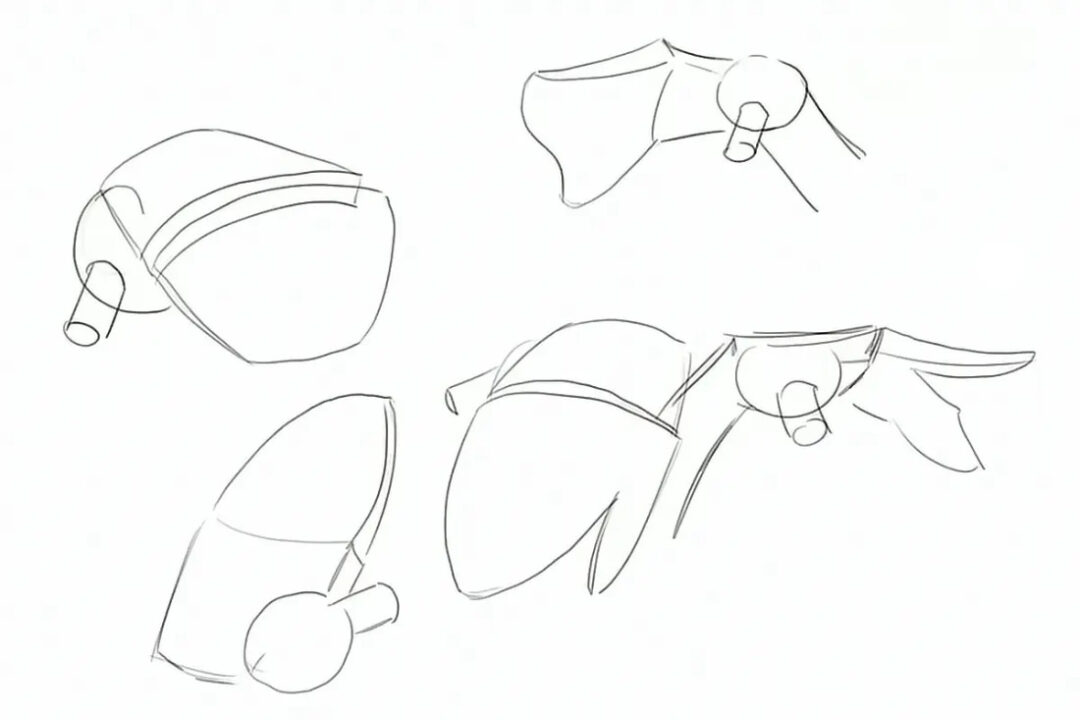
Technique 1: The Mitten Principle
What it is: Simplify the hand into a mitten shape by combining a manipulated box (for the palm) and a mitten-like form (for the fingers). Attach a sphere for the thumb base and a cylinder for the thumb itself.
Why it works: This approach helps you see the hand as a single, expressive shape, making it easier to keep the gesture and avoid getting lost in finger details.
How to use it:
- Start with the palm as a box.
- Attach a mitten shape for the fingers.
- Add a sphere and cylinder for the thumb.
For more dynamic hands, manipulate the mitten shape to show different gestures or separate out one finger (like the pinky or index) for added expression. Pro tip: Grouping fingers together keeps your drawing lively and avoids stiffness. Only separate fingers when you want to highlight a gesture.
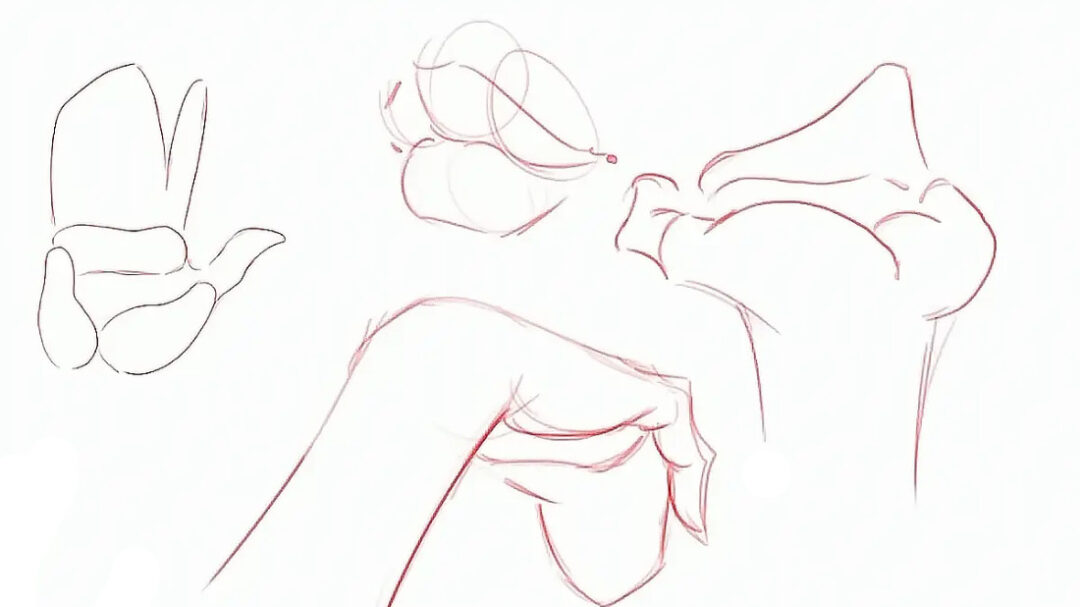
Technique 2: The Bean (Beanie) Technique
What it is: Divide the palm into three bean-like shapes: one for the pinky side, one for the thumb side, and one for the main padding of the palm.
Why it works: This method helps you understand the 3D structure of the palm, especially in tricky angles or foreshortened views.
How to use it:
- Sketch the three bean shapes to map out the palm.
- Attach the thumb and fingers as simple forms.
- Use this technique to draw hands from unusual perspectives or when the hand is turned away from you.
Pro tip: The bean technique is especially helpful for drawing the inside of the hand and for understanding how the palm pads overlap in space.
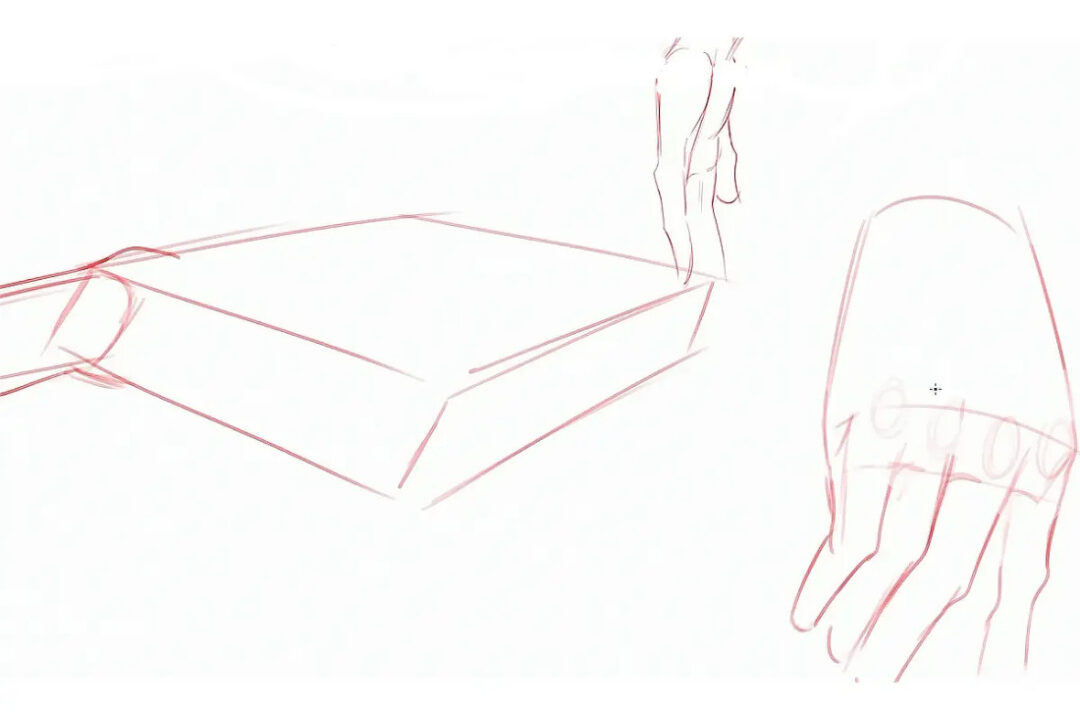
Technique 3: Drawing Fingers on a Slope
What it is: Instead of attaching fingers straight onto a flat palm, recognize that the base of the fingers sits on a sloped plane.
Why it works: This subtle slope makes your hands look more natural and avoids the stiff, robotic look that comes from using only boxes and cylinders.
How to use it:
- When drawing the palm from the side, show a gentle slope from the knuckles down to the webbing between the fingers.
- Insert the cylinders of the fingers into this sloped plane, not a flat edge.
- Pay attention to the webbing and padding at the base of the fingers for a more realistic look.
Pro tip: This technique is key for drawing relaxed hands, hands hanging down, or any pose where the fingers aren’t perfectly straight.

Why These Techniques Work
- They help you see the hand as a collection of simple, 3D forms—not just lines or outlines.
- They keep your drawings expressive and dynamic, not stiff or lifeless.
- They make it easier to draw hands from imagination or unusual angles, not just from reference.

Want more step-by-step drawing tutorials? Learn to draw with Wacom
Check out Wacom’s Learn to Draw page for tons of tutorials for character design, anime & manga, and more digital drawing tips from the experts!